Electric reinterpretation.
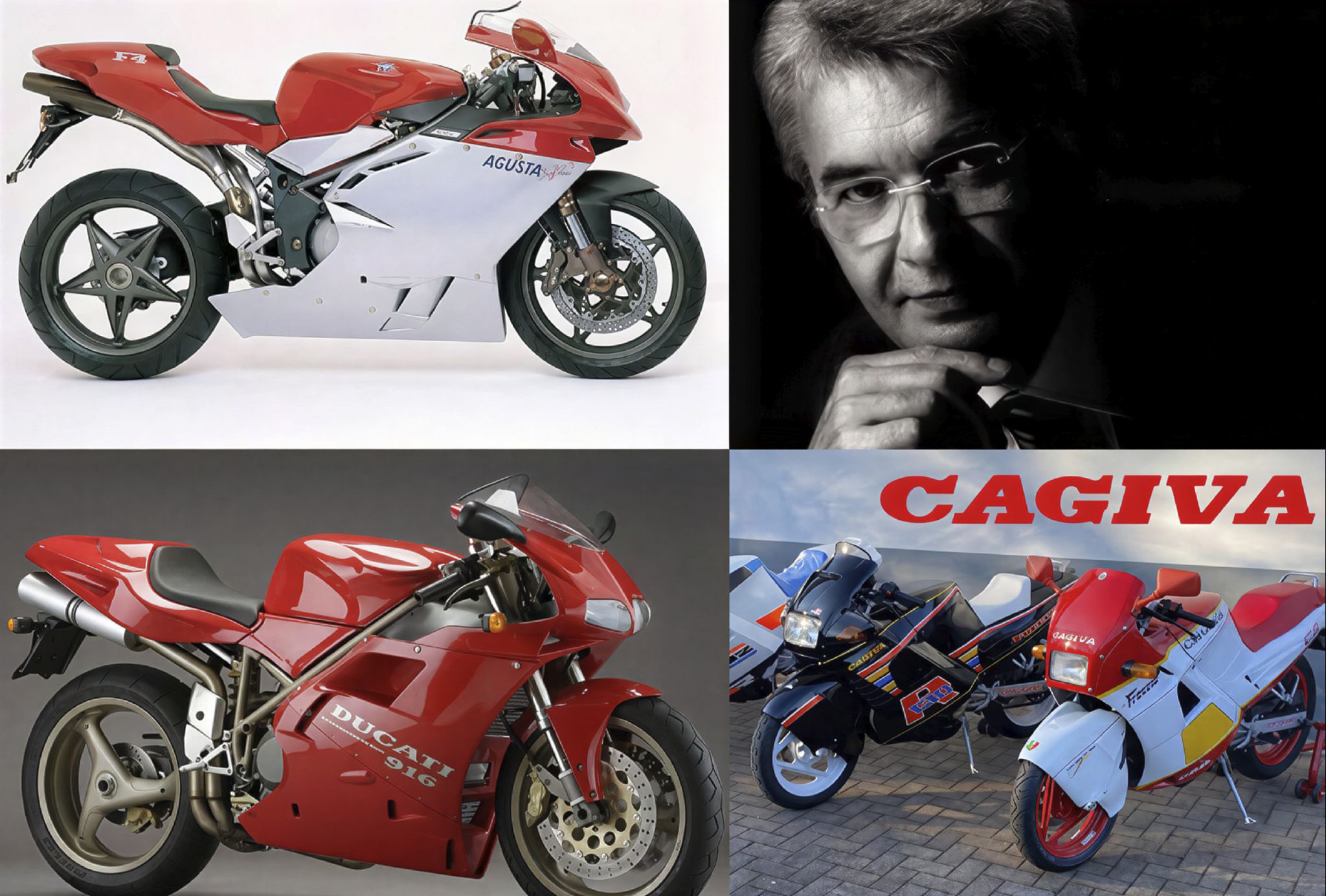
Tamburini’s design legacy.
A personal design exploration conceived after Massimo Tamburini’s passing: rethinking the expressive character of an MV Agusta naked motorcycle through electric propulsion, radical packaging and sculptural bodywork.
Industrial design / concept development / 3D visualisation

Rather than translating a combustion motorcycle literally into an electric one, the project asks how the distinctive aggression, mechanical drama and visual identity associated with MV Agusta could evolve.
The intention: retain a recognisable emotional character while making the electric architecture visible.
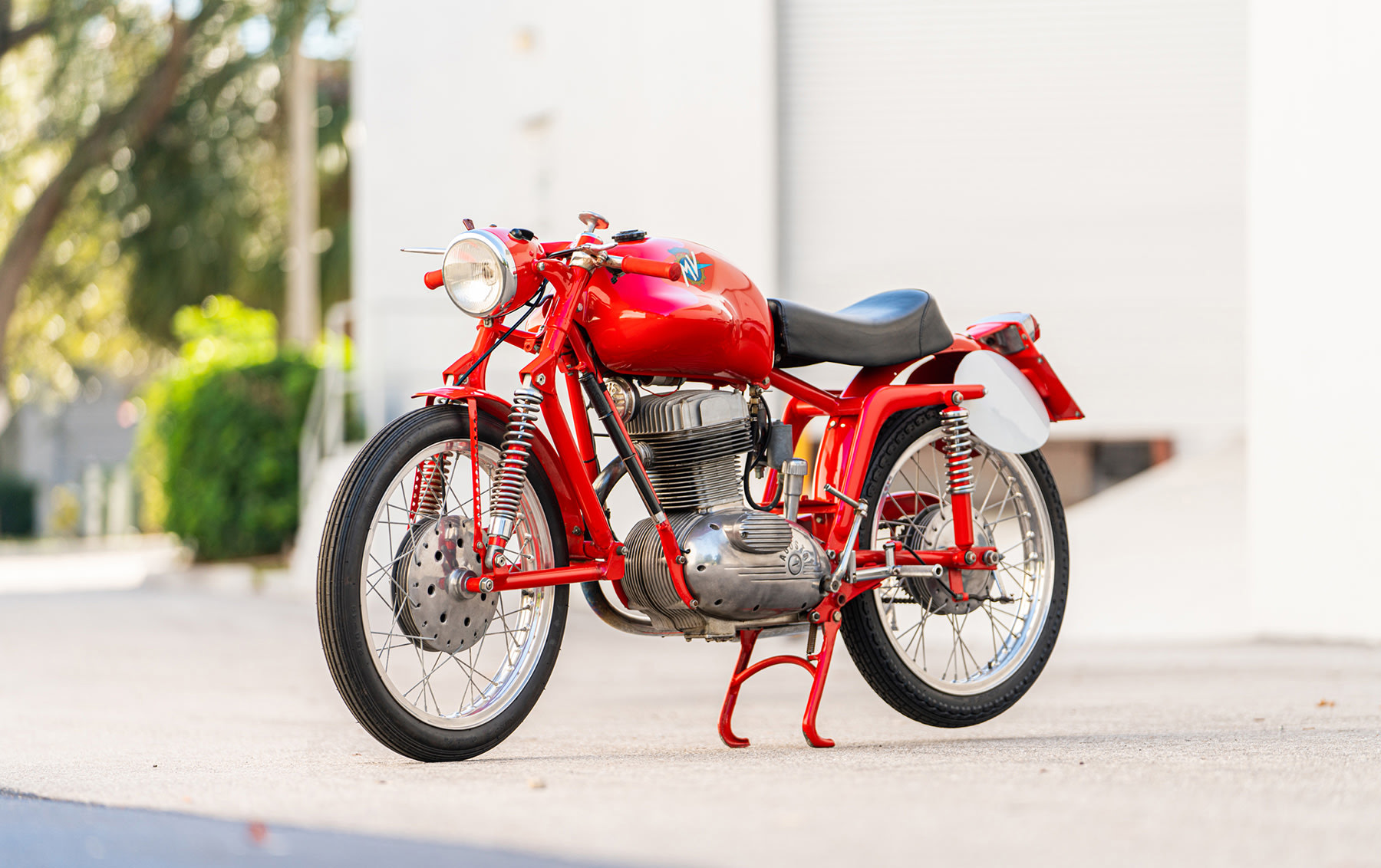
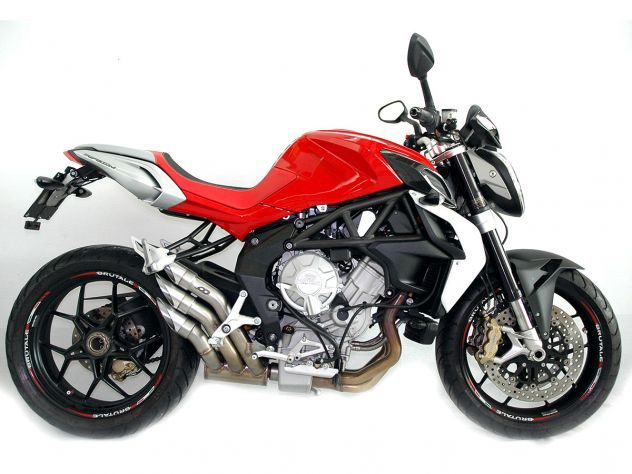
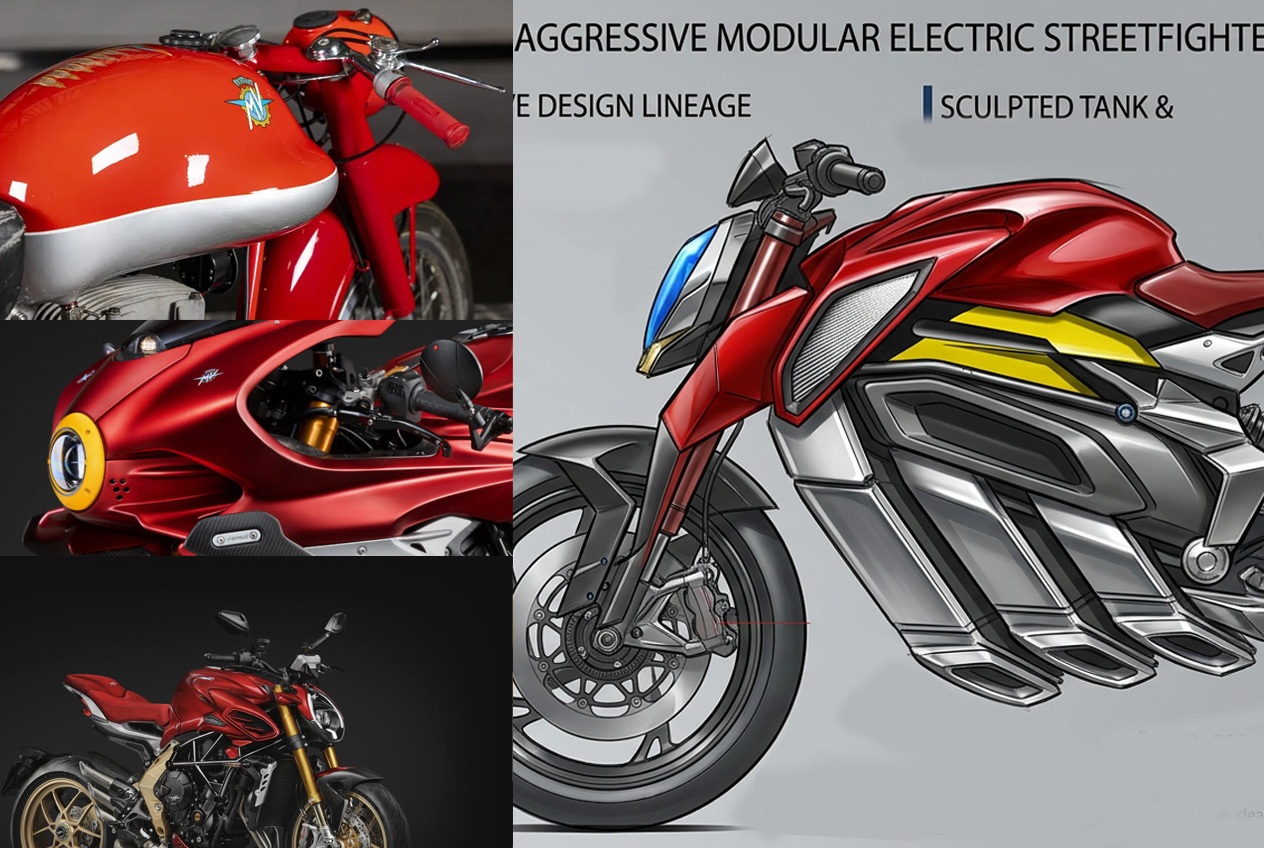
The starting point was the original Brutale's tank profile and the visual tension of Tamburini's work. Historical MV references informed the study, without treating heritage as a fixed shape to reproduce.
The key design decision was to preserve the muscular upper volume while giving the lower half a new architectural identity for electric propulsion.


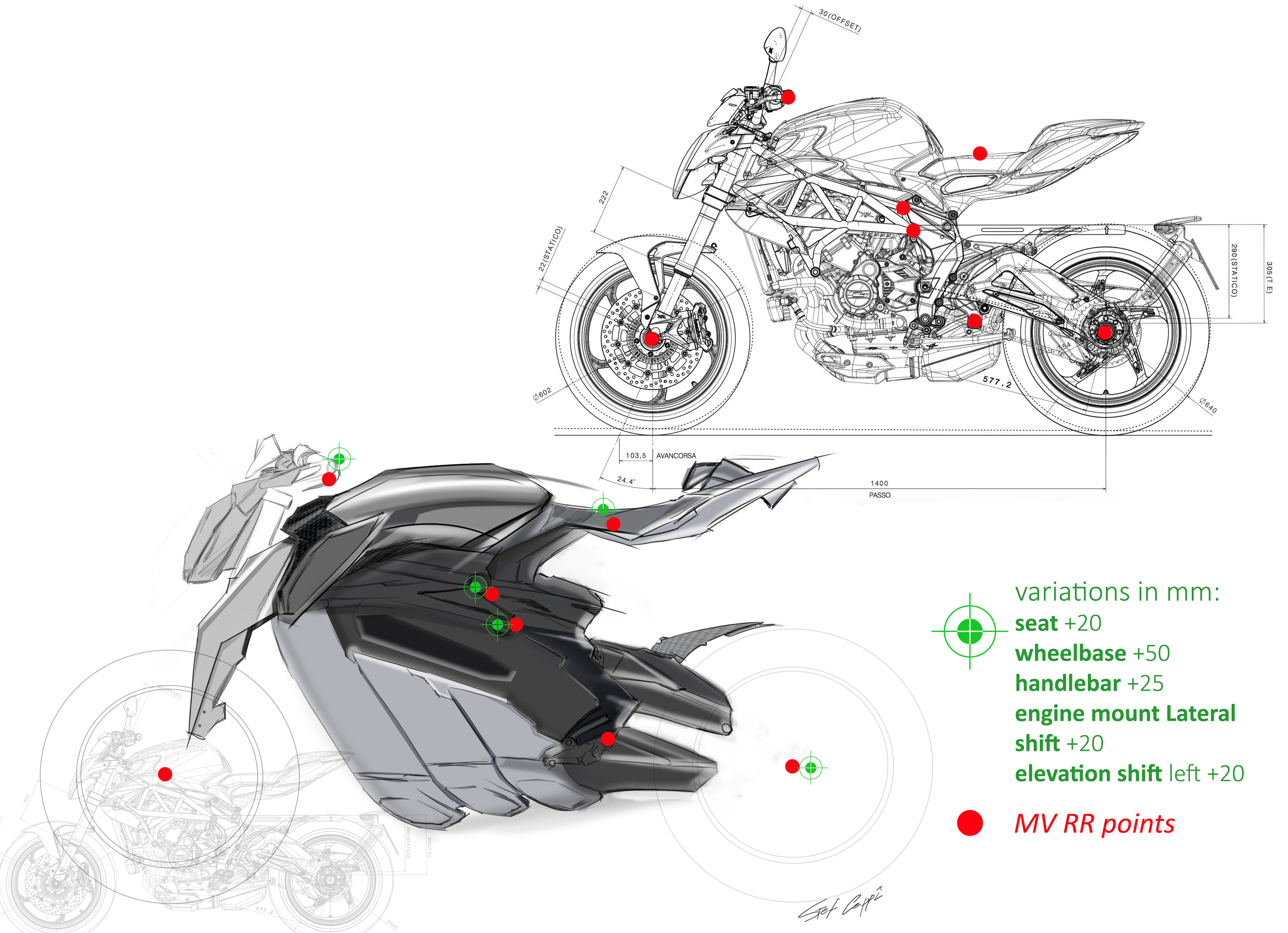
The motorcycle architecture was defined through early overlays and successive sketches, studying the relationship between tank, seat, rider position, battery volume, structural lines and wheel proportions.
Packaging and ergonomics were developed together: a compact, lightweight and approachable naked-bike concept, designed to feel playful and manageable for riders of different builds, including women, while retaining the muscular character, performance ambitions and comfort expected of an MV Agusta.
The sketches examine reach to the handlebars, seat contact, knee clearance and the balance of the central mass. Small changes in proportions informed the evolving layout before the detailed electric packaging was refined.


From a UX and UI perspective, the instrument cluster was designed to be minimal yet rich in essential information. Speed, battery status and riding data are clearly organised and visually prioritised for quick, intuitive reading while the motorcycle is in motion.
The second study focuses on the handlebar grips: different textures, profiles and palm-support geometries were compared to improve tactile feedback, perceived comfort and control. The selected solution combines a shaped rubber grip with a precise metal end detail.


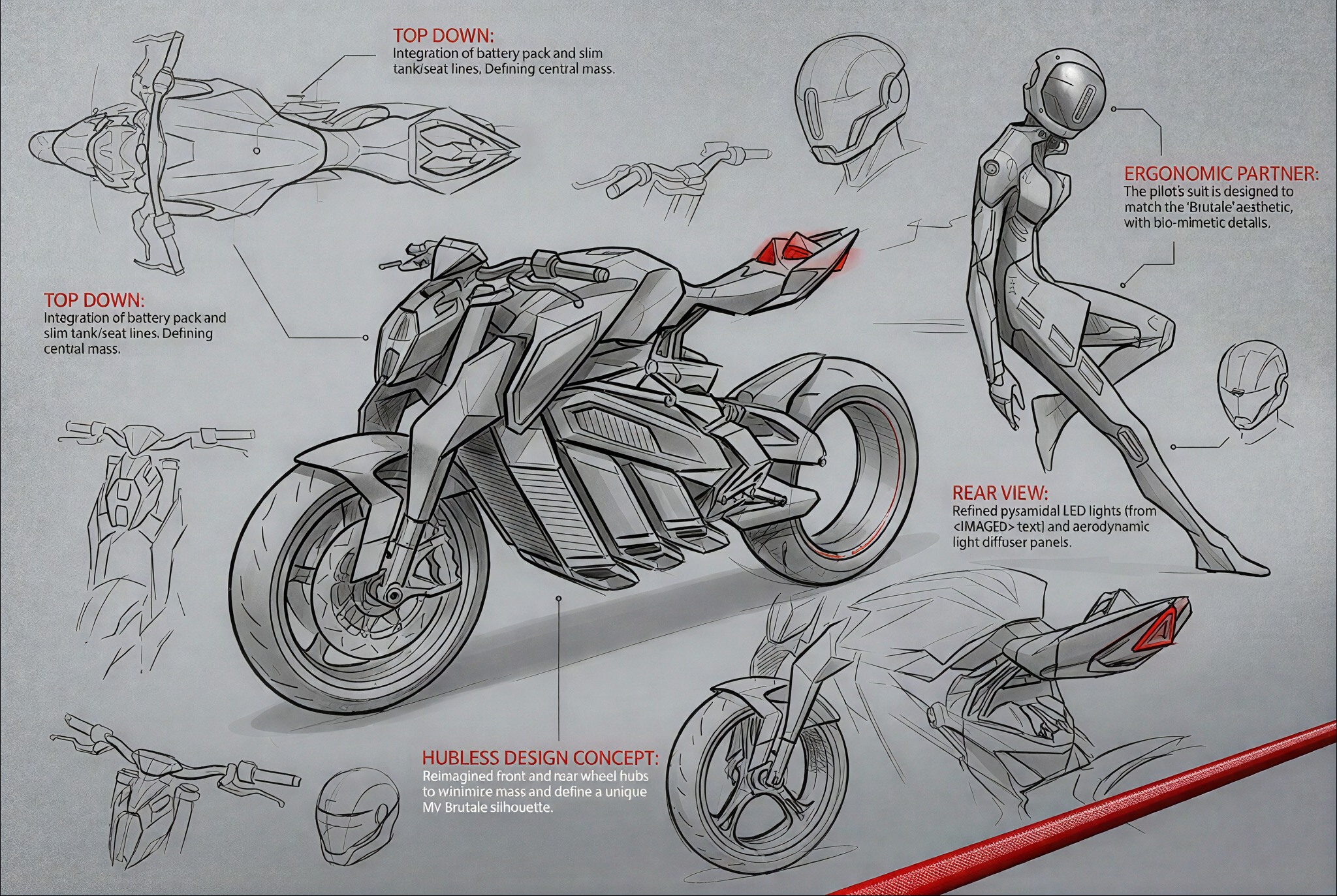
Progressive sketch refinement established the signature frontal volumes, side intakes, exposed metallic fins and sharply tapered tail.
Details were evaluated in relation to the complete silhouette, rather than as independent styling features.


The 'Cobra' direction explores a flowing, forward-loaded profile: a broad upper mass, narrow waist and a tail drawn into a sharp, lightweight gesture.
Top, side and rear studies were compared to ensure that the selected surfaces worked as one coherent volume rather than as isolated styling details.


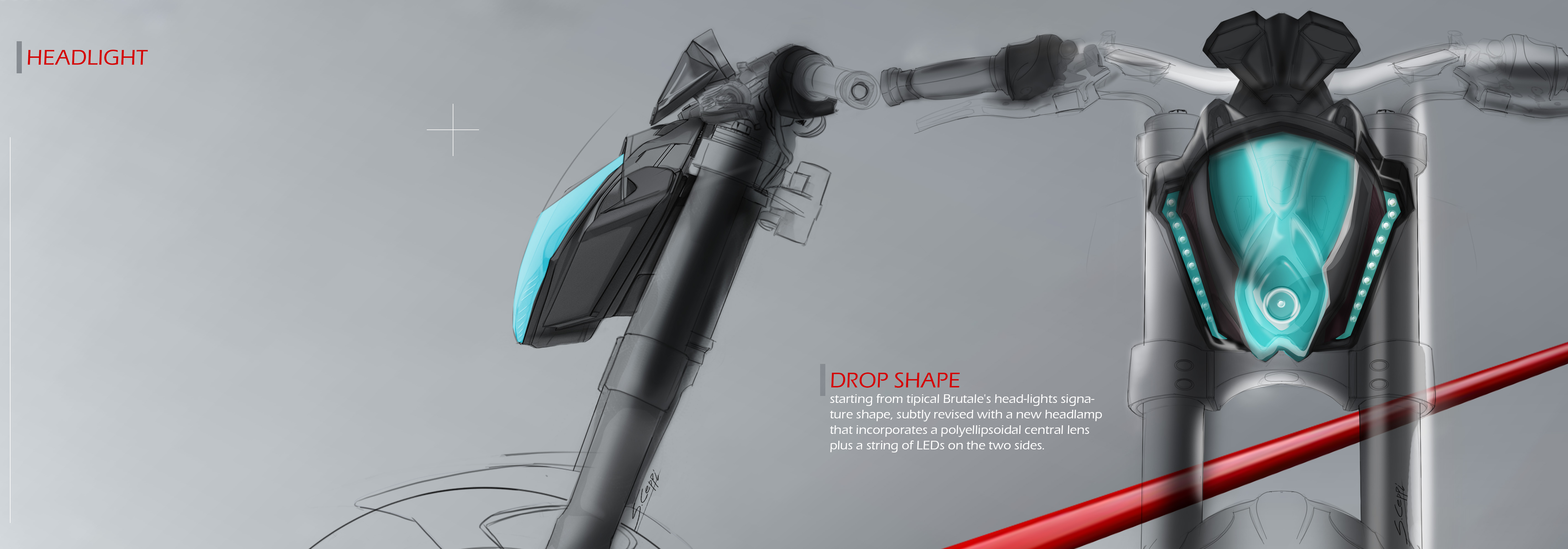
The headlight retains a visual connection with the Brutale's recognisable front identity while moving toward a sharper, drop-shaped interpretation.
The design board proposes a central polyellipsoidal lens and two lateral LED strips. Front and three-quarter studies check the graphic signature against the fork and front bodywork.

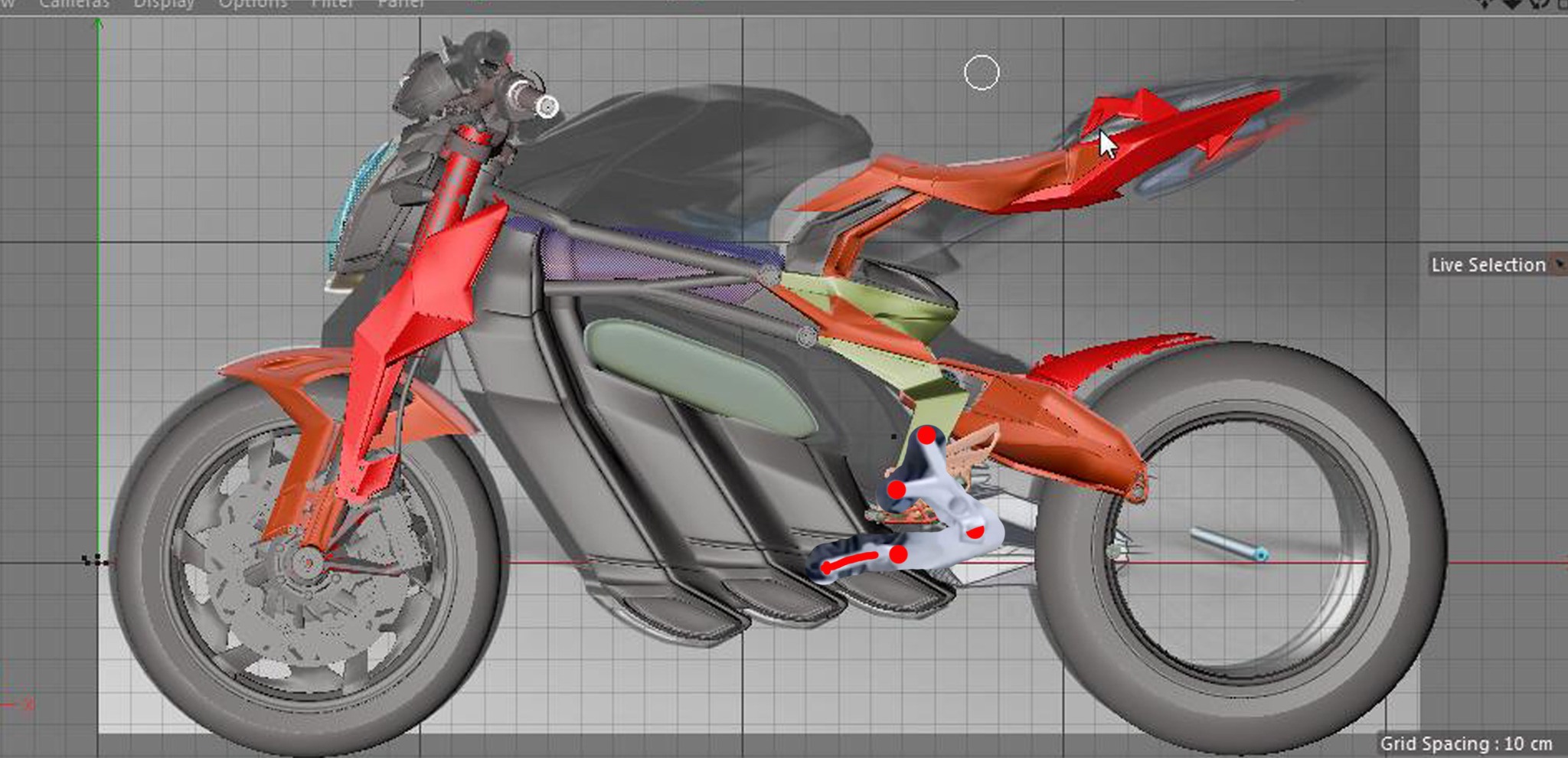
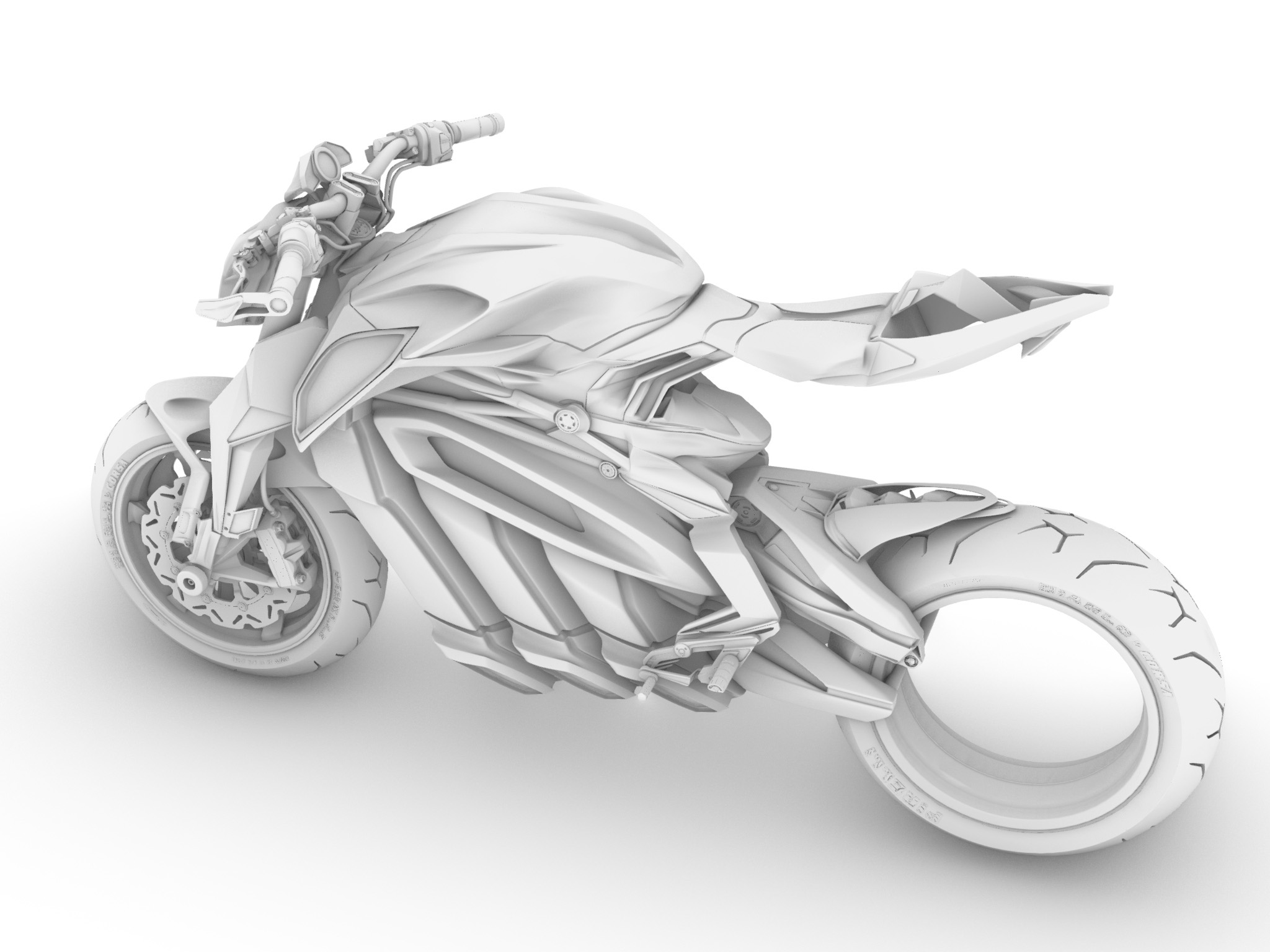
Digital modelling made it possible to test the surfaces, transitions and packaging in three dimensions. Iterations focused on bodywork intersections, the central enclosure, the rear structure and the stance of the motorcycle.
The images document development stages rather than implying a fully engineered production vehicle.


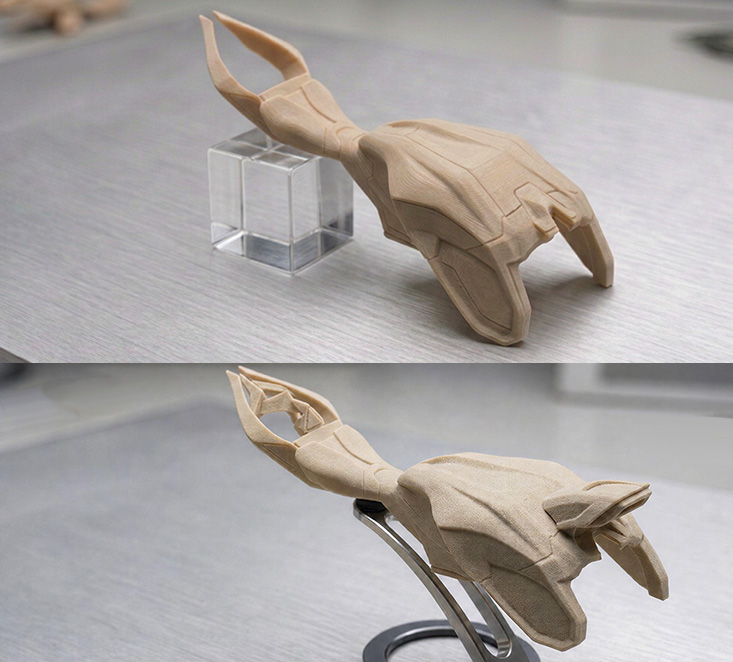
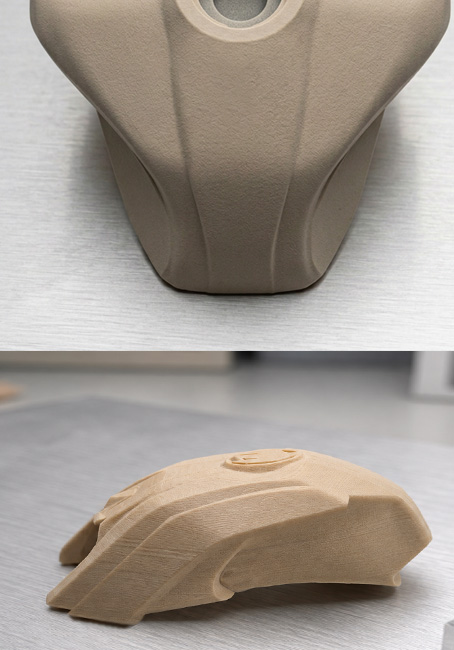
Physical scale studies are the next stage of the story: comparing alternative tank volumes, checking the relationship to the seat and verifying the visual balance of the central mass.
Photographs of physical or 3D-printed prototypes will be inserted only when real documentation is available.

01 / Compare the tank silhouette at small scale
02 / Check the transition between tank, seat and frame
03 / Evaluate side-volume clearance and perceived mass
04 / Photograph and document actual 3D-printed iterations

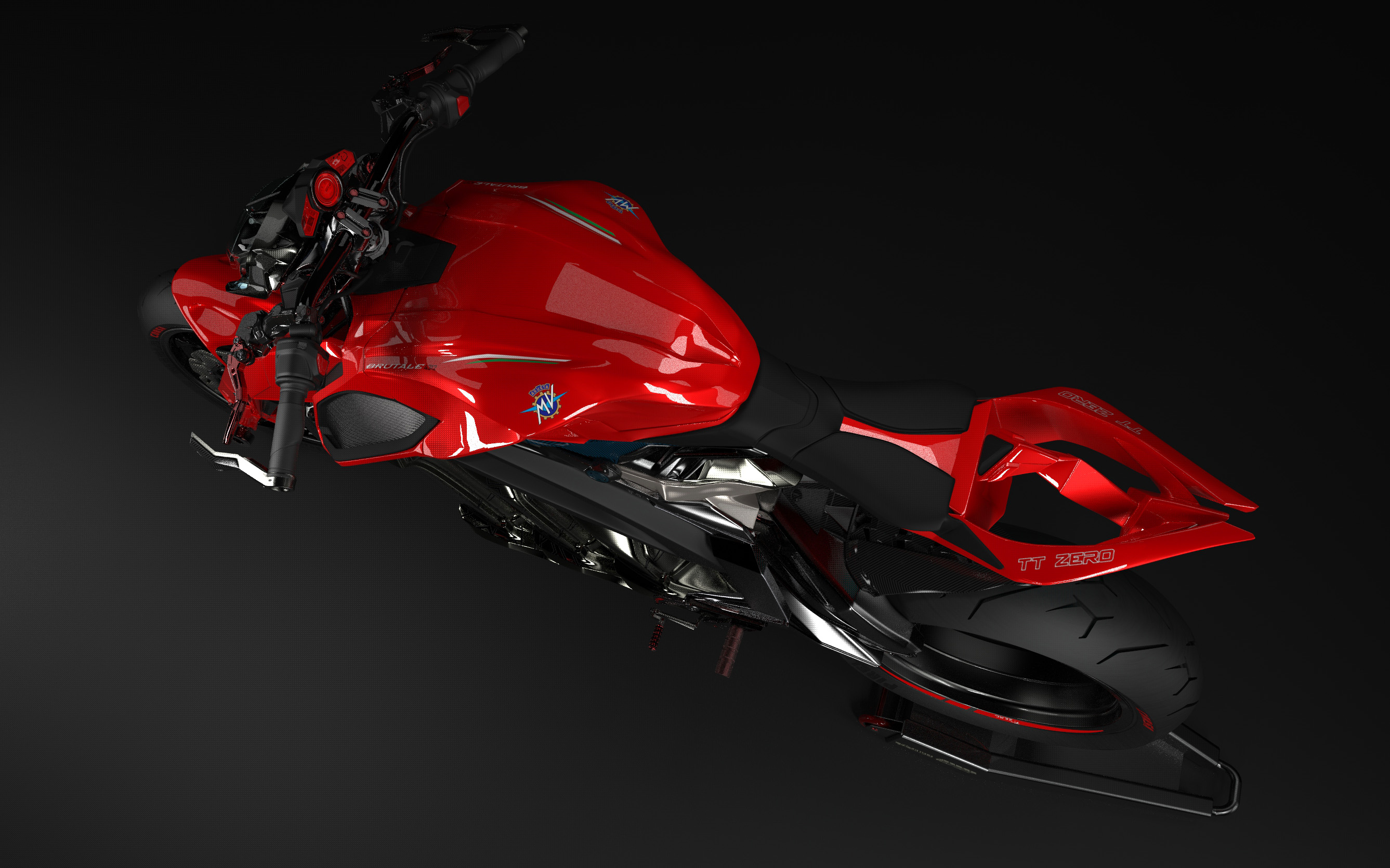
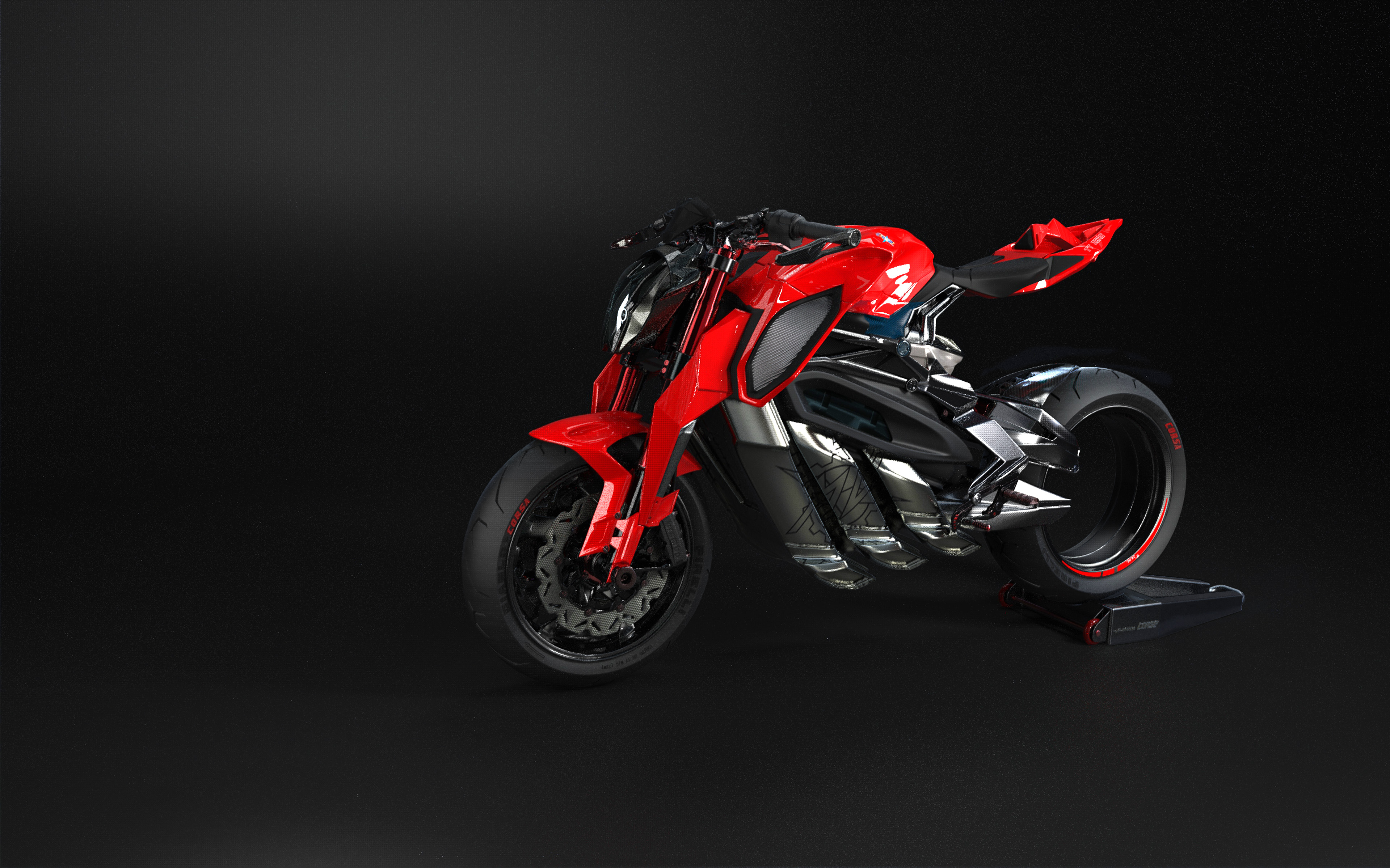
The final proposal combines red sculptural bodywork, a visually expressive electric core and an uncompromising stance.
A speculative design exercise celebrating Tamburini’s influence while exploring a different technological future.


Three priorities guided the proposal: an unmistakable front identity, a compact central mass and a dramatic rear silhouette.
The battery enclosure is treated as a defining visual element, not a hidden technical box. Repeated metallic channels establish rhythm and suggest the management of airflow and heat.

Visualisations place the concept in use and communicate the intended relationship between rider, machine and environment.
These are concept images, not photographs of a manufactured motorcycle.
The project connects hand sketching, digital surfacing, packaging exploration and visual storytelling. Its purpose is to show how an initial design vision is tested, refined and communicated.
Further documentation of the physical tank studies will complete the prototyping chapter.
The electric MV Agusta concept was very well received at MV Agusta and opened the door to a collaboration with the MV Agusta Racing Department on innovative components. My main contact was Claudio Quintarelli, Team Manager of the MV Agusta Factory Racing team in Supersport and Superbike. Our professional collaboration also developed into a lasting friendship.


MV Agusta Brutale Z 4312 — the vision of Stefano Ceppi, featured on Motoblog.
READ THE ARTICLE ↗