FUTURE MOBILITY
Understanding how movement, infrastructure and new behaviours can redefine the experience of mobility.
Design begins before form. It starts by observing people, culture, technology and emerging behaviours — looking for signals that can become meaningful opportunities.
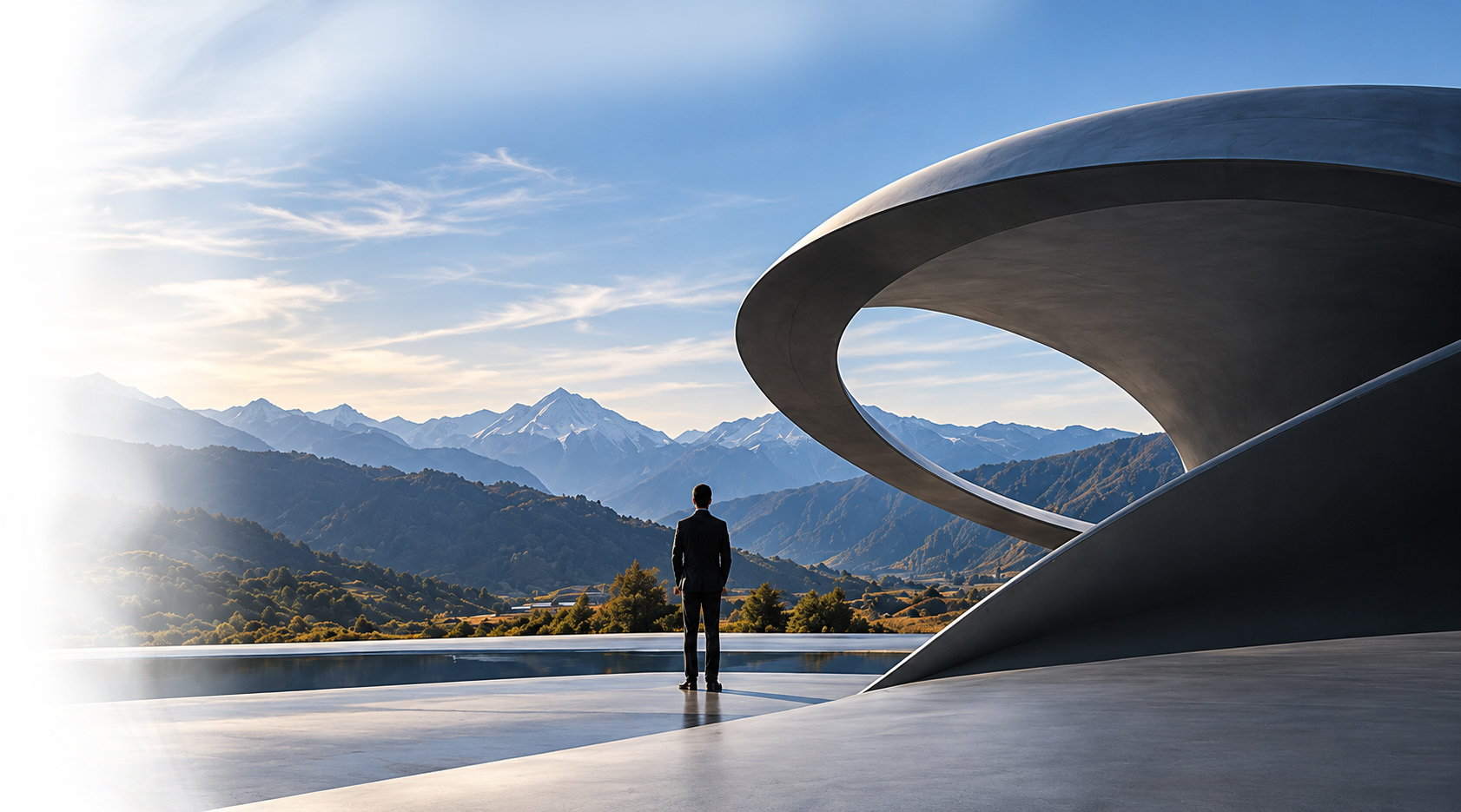
Different projects require different perspectives. These lenses help reveal relationships, tensions and opportunities that may otherwise remain invisible.
Understanding how movement, infrastructure and new behaviours can redefine the experience of mobility.
Exploring emerging technologies not as ends in themselves, but as tools for creating new possibilities.
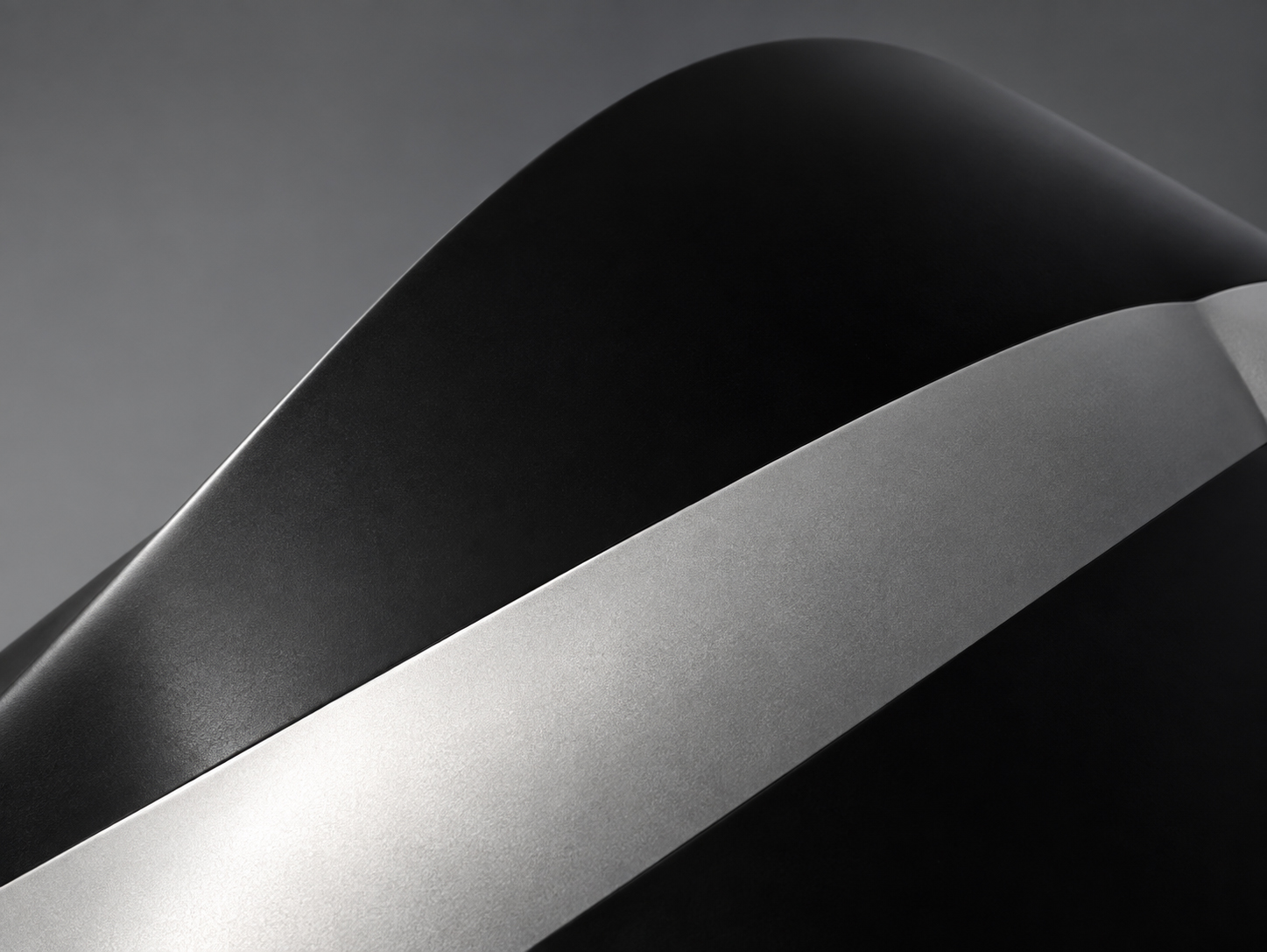
Reading form as a language: proportions, archetypes and cultural codes communicate before words do.
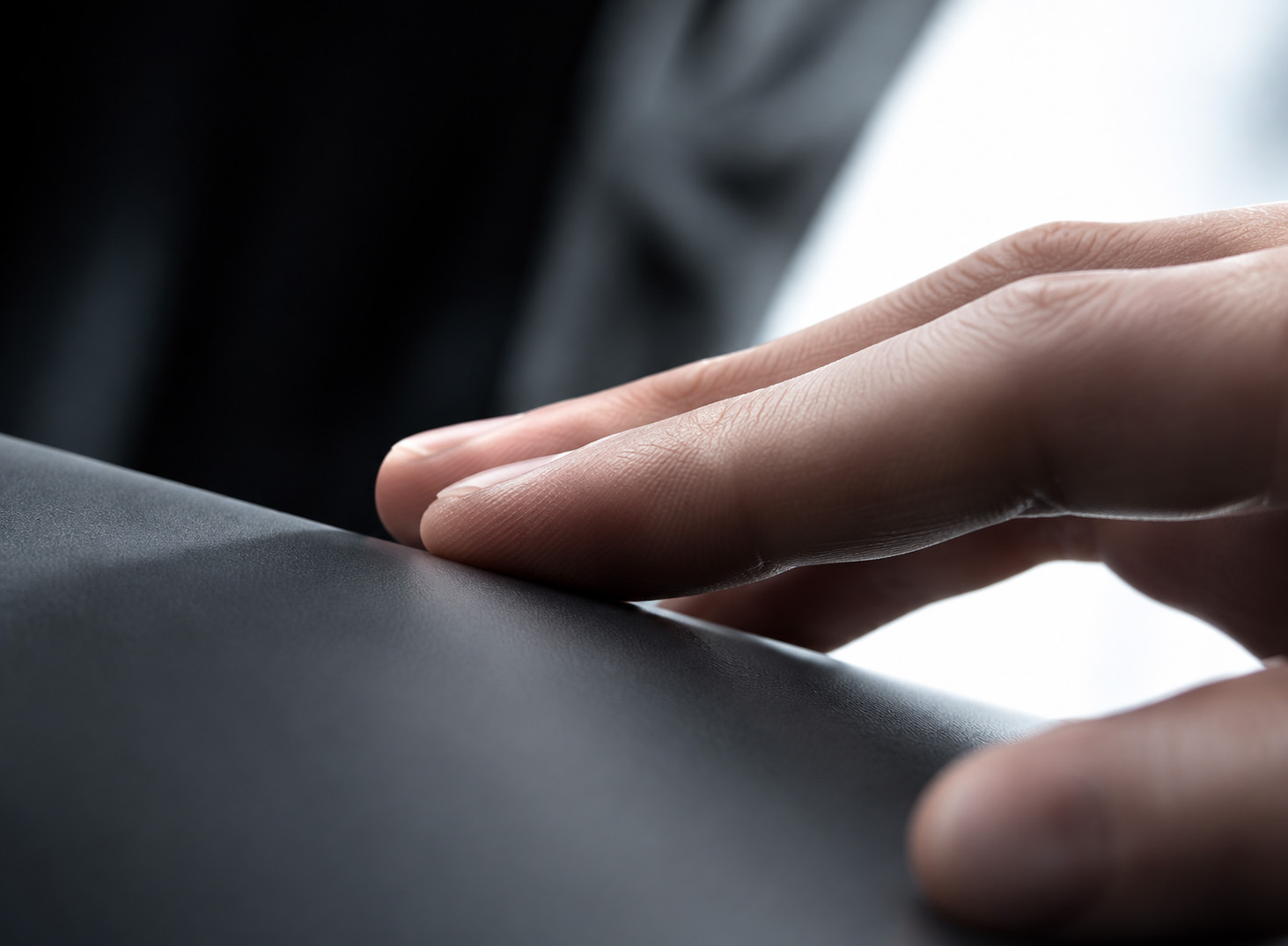
Connecting usability, ergonomics and emotion to create products that feel intuitive and meaningful.
Design is not a sequence of isolated steps. It is a continuous movement between observation, interpretation, experimentation and decision.
The process moves forward, backward and sideways. Each phase can question the previous one.
Experience develops intuition. Research provides evidence. Neither is sufficient alone.
I use both to frame problems, challenge assumptions and move towards solutions that are relevant, distinctive and real.
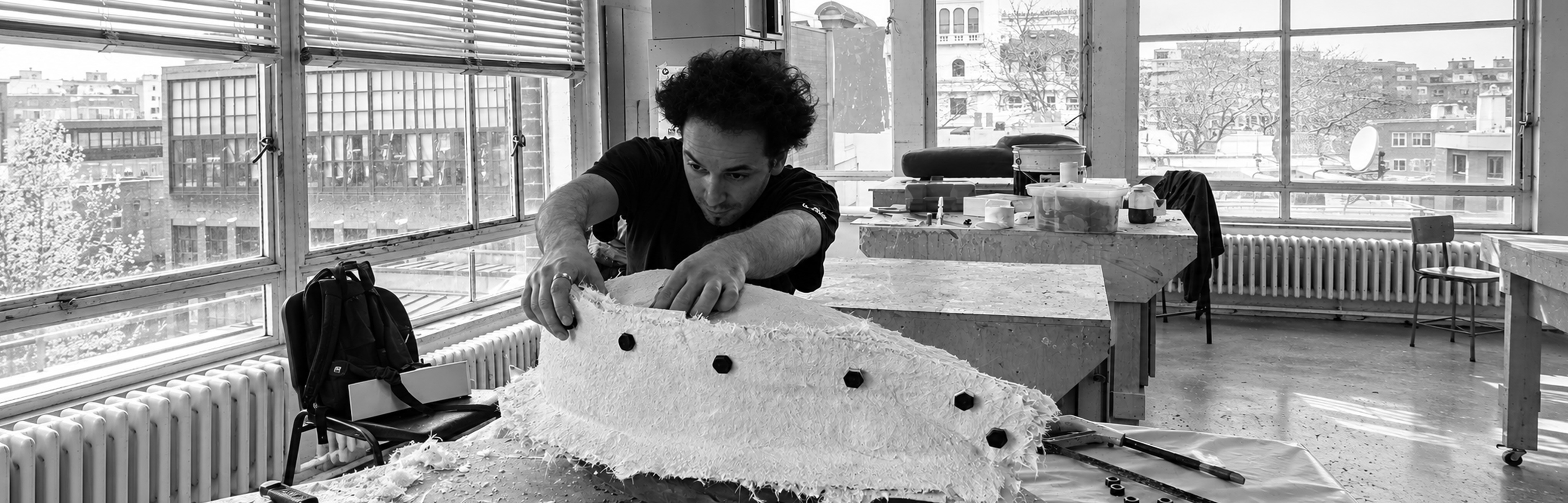
Stefano Ceppi — project development at the Royal College of Art laboratories, London, UK
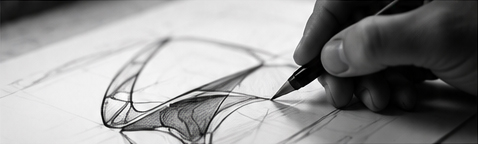
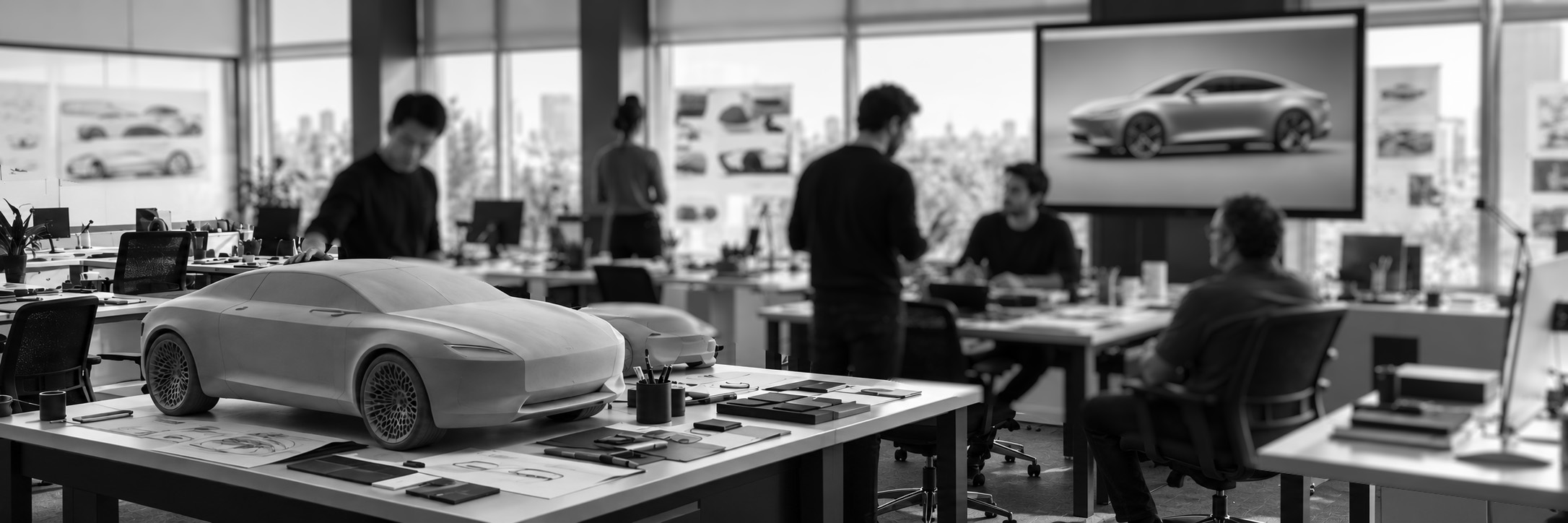
Sketching, modelling and experimentation make ideas visible.
They allow assumptions to be tested early, alternatives to emerge and intuition to become something that can be discussed, evaluated and developed.
Nature can reveal principles rather than forms: structures, transitions, efficiencies and behaviours that can be translated into new design solutions.
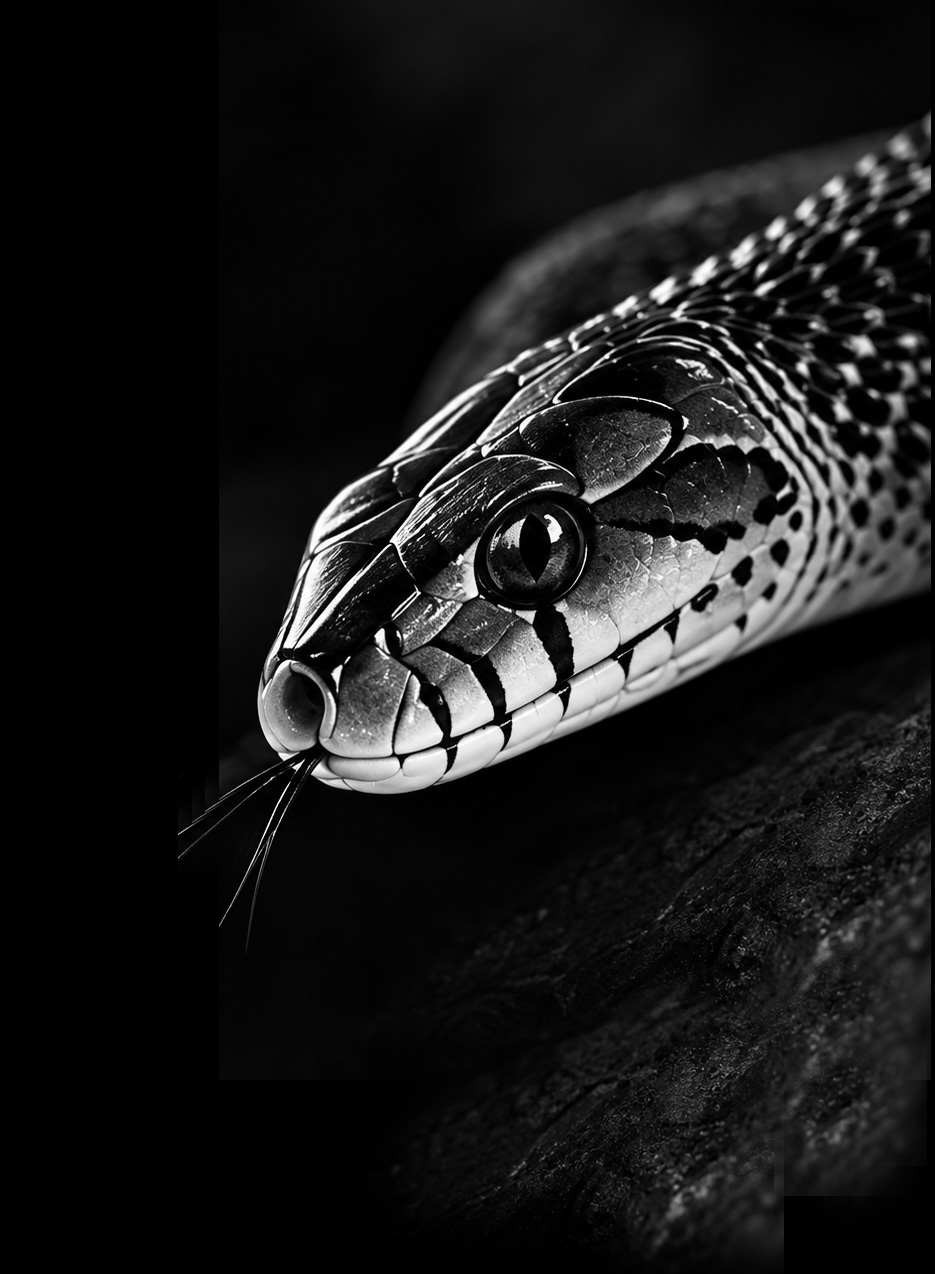
Look beyond appearance to understand underlying principles.
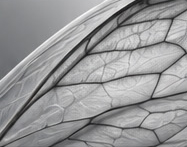
Extract the logic, behaviour or structural idea.
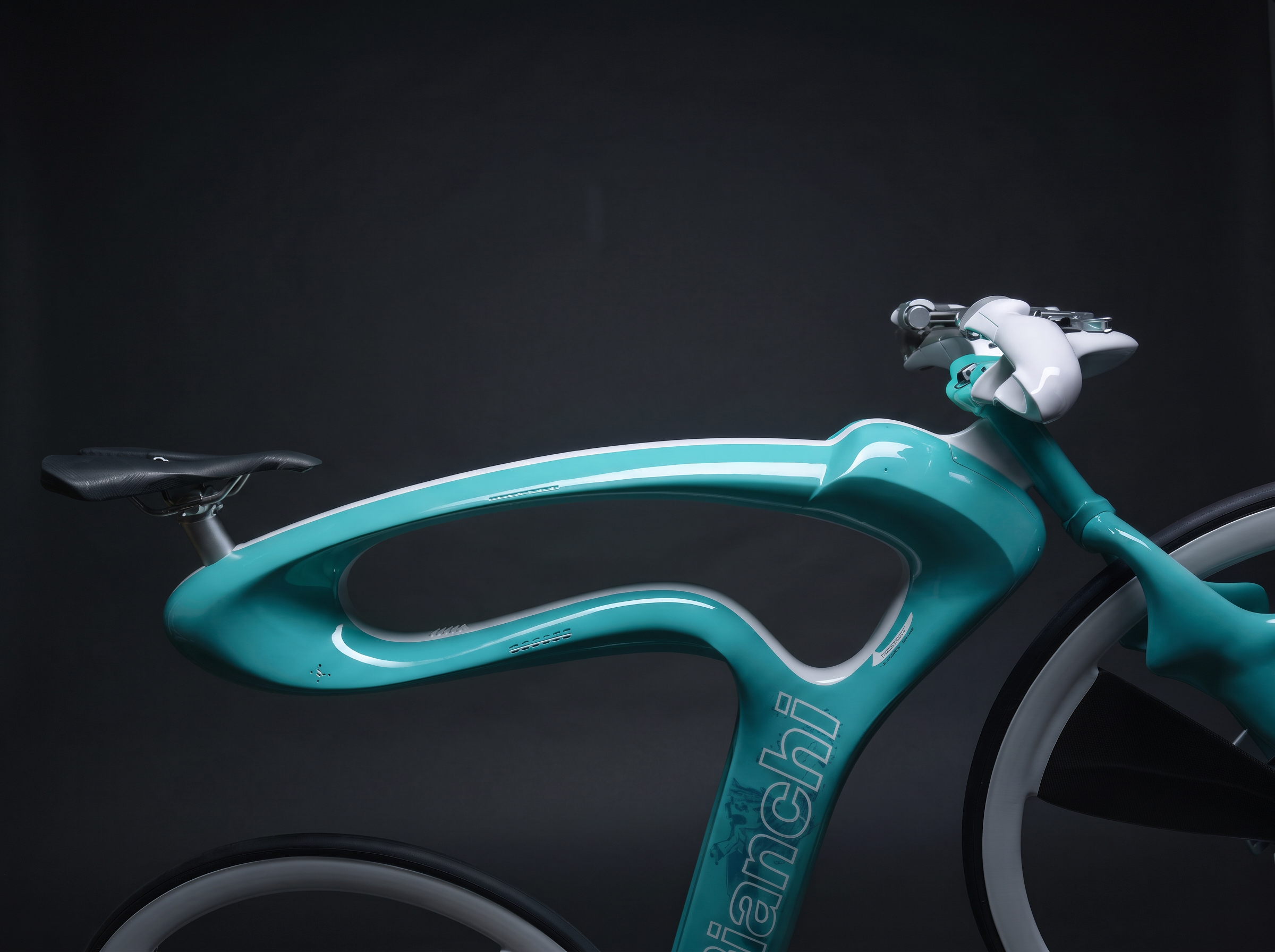
Translate the principle into a relevant product solution.
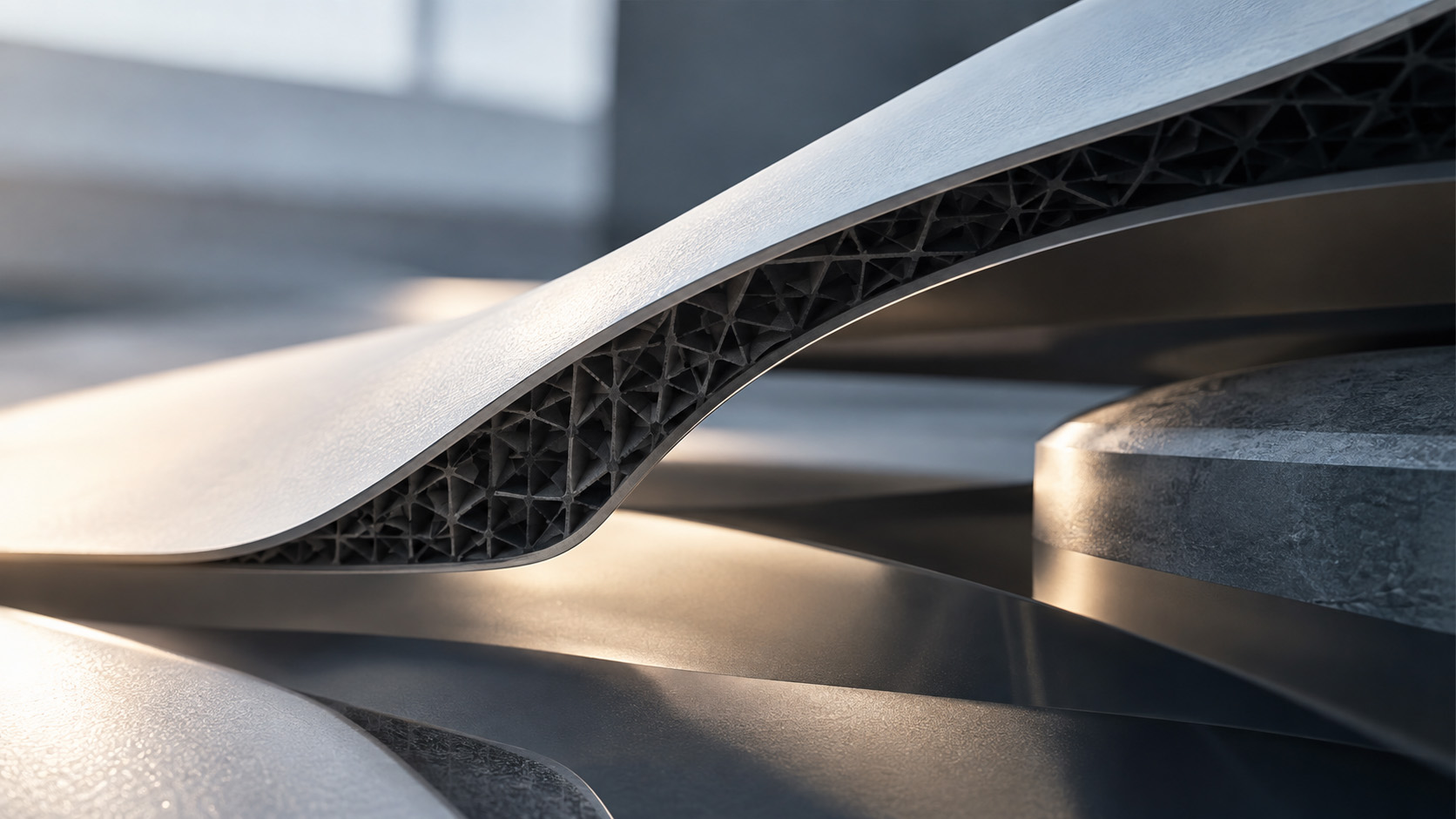
Materials are not a final cosmetic choice. Their behaviour, tactility, manufacturing potential and expressive qualities can influence the project from its earliest stages.
KRION®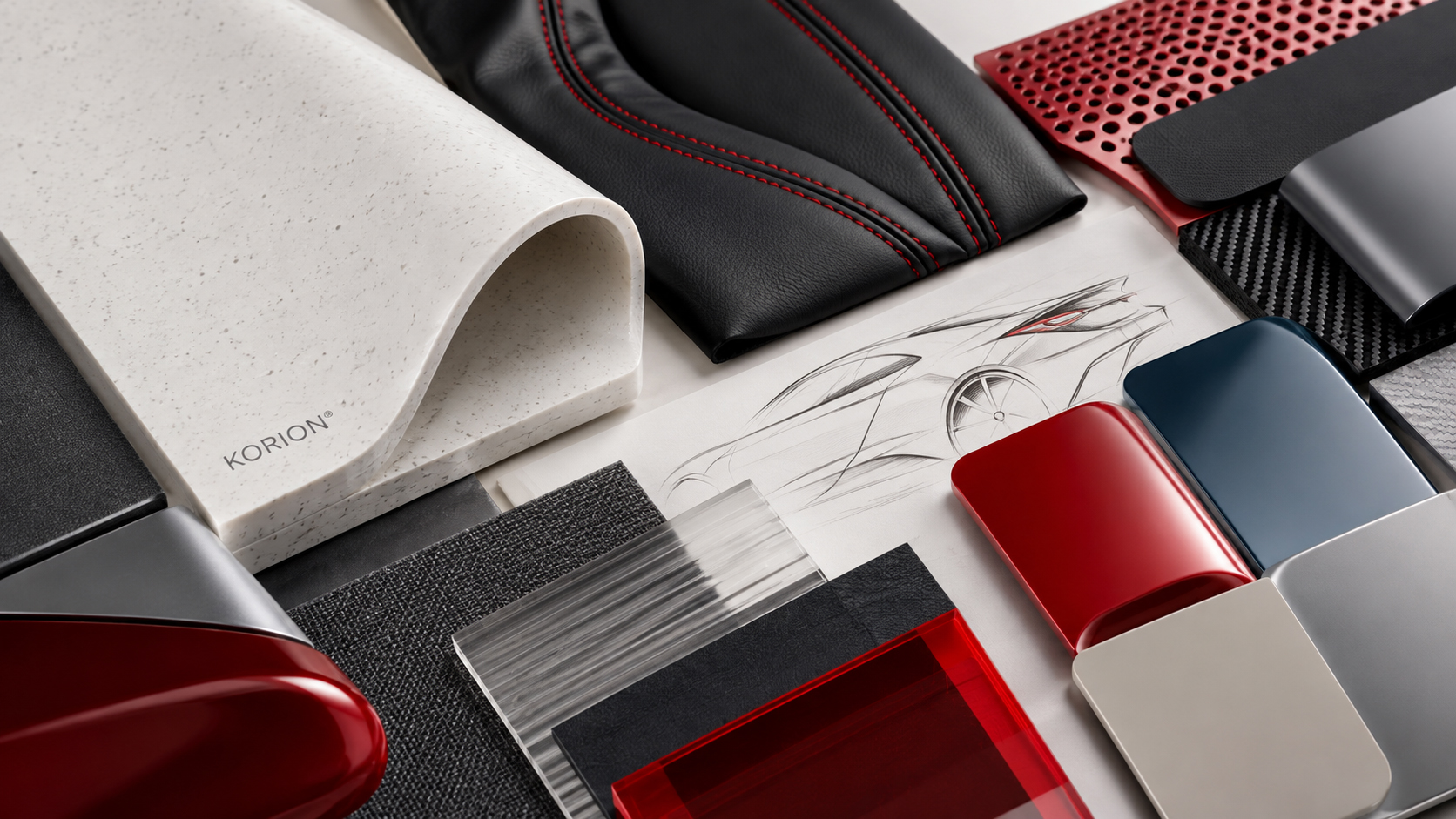
Design becomes stronger when different forms of knowledge meet.
I collaborate with selected professionals, bringing together the right expertise for each project.
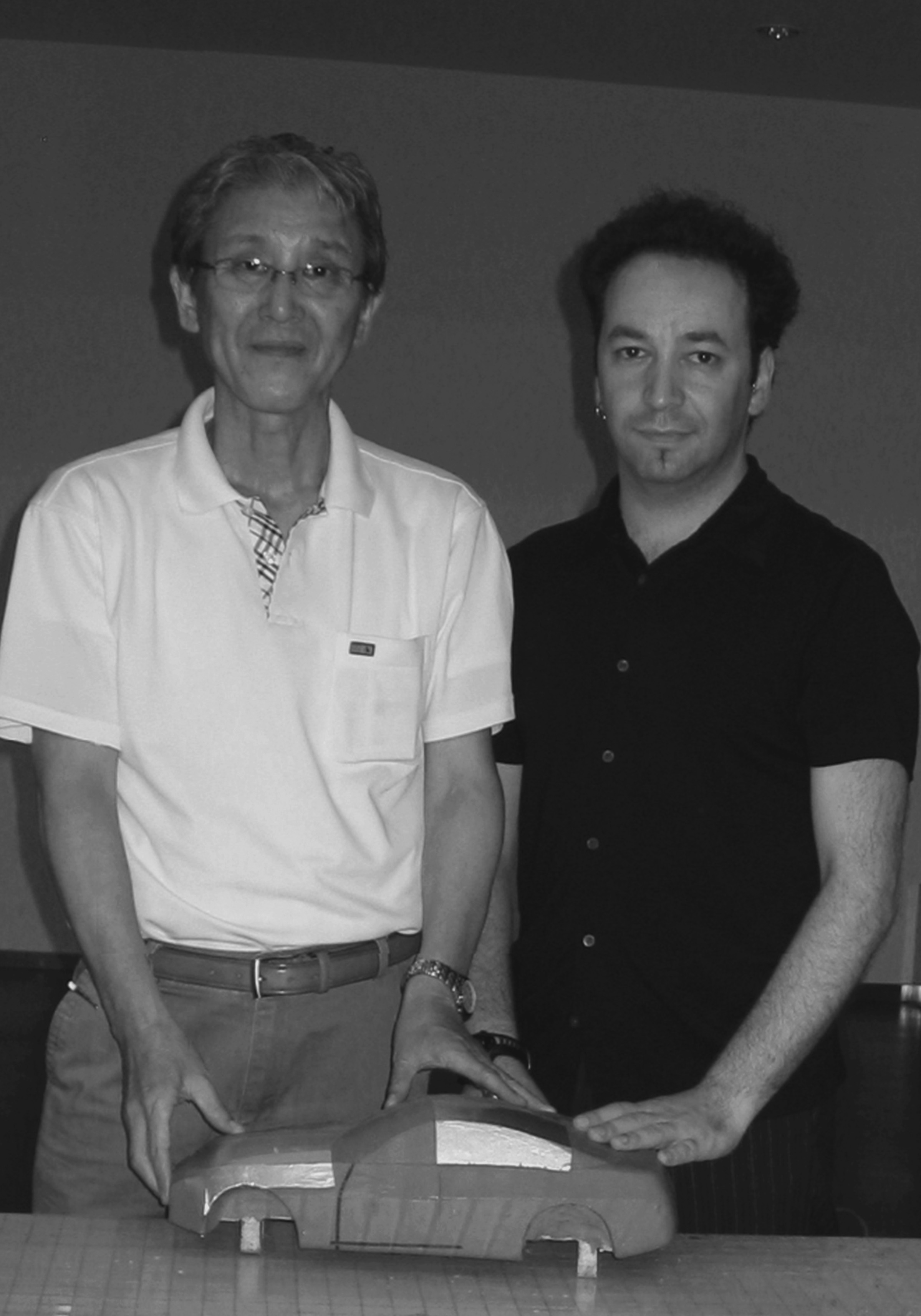
The final photograph captures a moment of knowledge exchange with Yasusato Yamada, former Head Clay Modeller at Nissan for 30 years, during an intensive hands-on masterclass.