DUCATI
LAMP
Light. Emotion. Heritage.
Developed as a Central Saint Martins project in collaboration with Ducati, Ducati Lamp explored how the emotional identity of a motorcycle brand could move beyond the vehicle and into everyday life. The project translated Ducati’s performance-driven character into a domestic object, creating a more accessible and less intimidating point of contact with the brand.
SCROLL TO EXPLORE ↓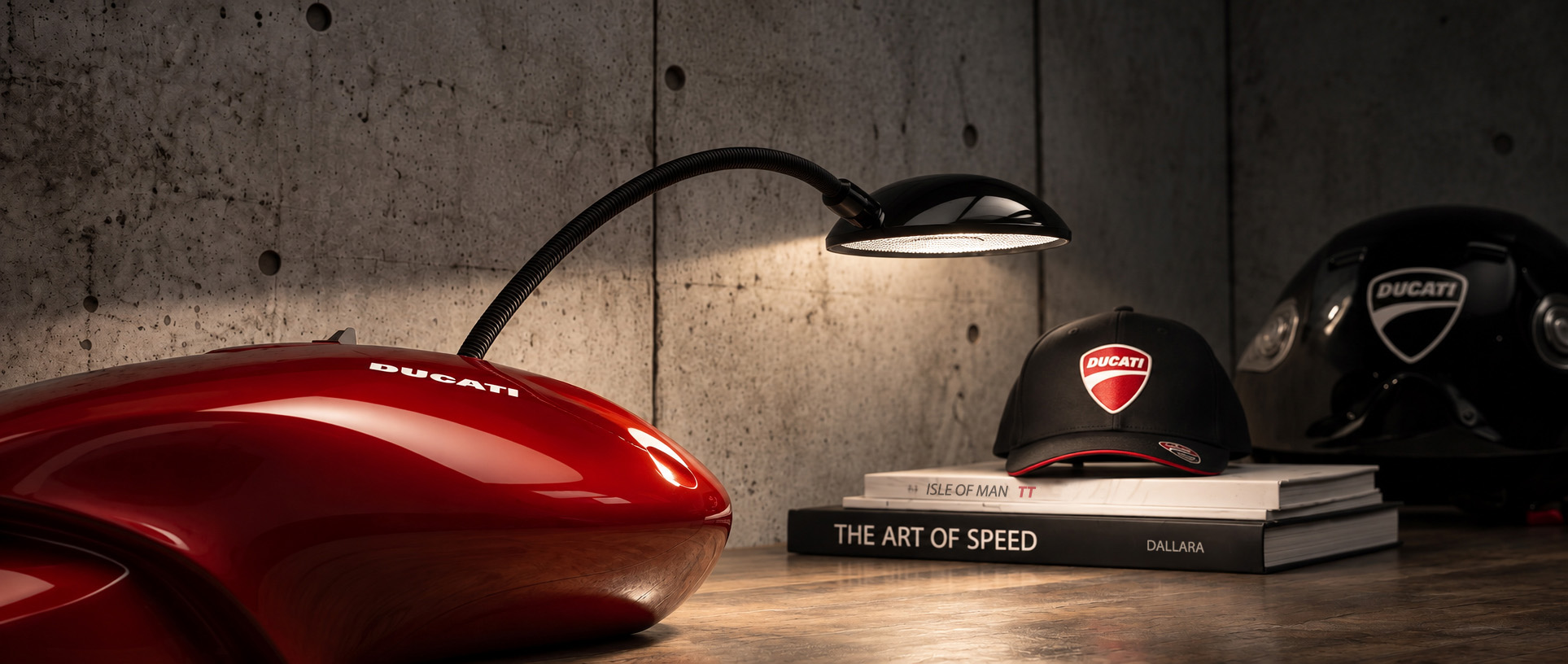
FROM RACING
TO EVERYDAY LIFE
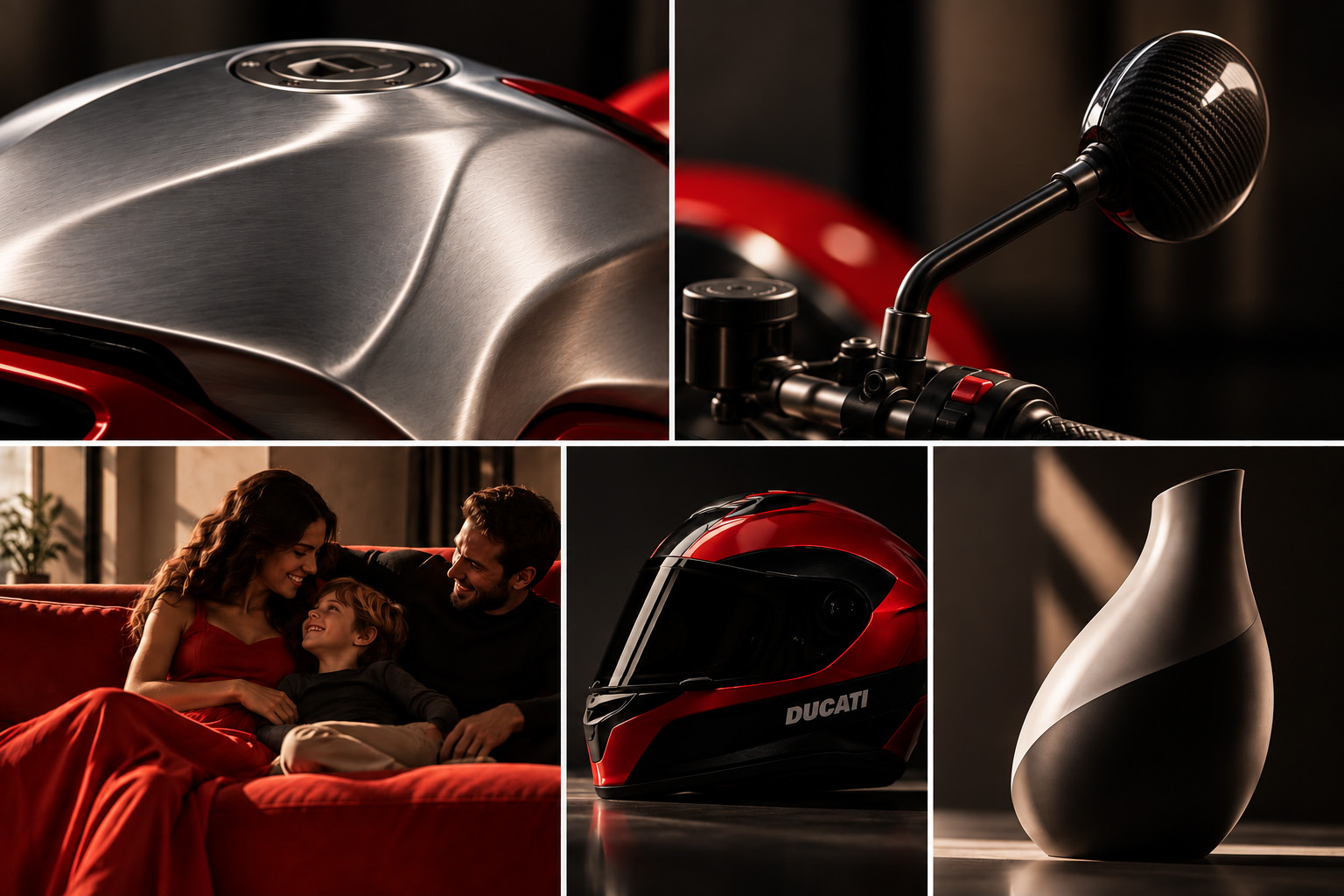
At the time, motorcycle culture was predominantly associated with a male audience. The project explored a different opportunity: bringing Ducati’s passion, identity and emotional appeal into the home, extending its relationship with a broader audience, including families and women. Rather than asking people to engage with Ducati through a motorcycle, the lamp used product design as a familiar and approachable introduction to the brand.

SKETCHES
EXPLORING FORM
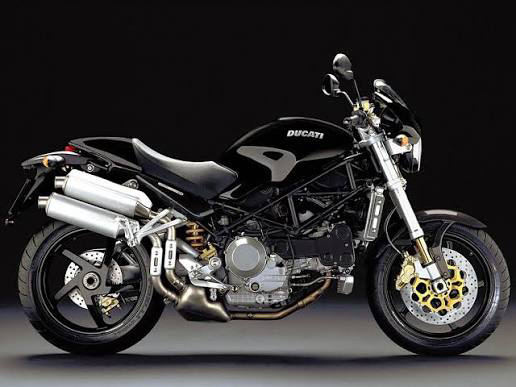
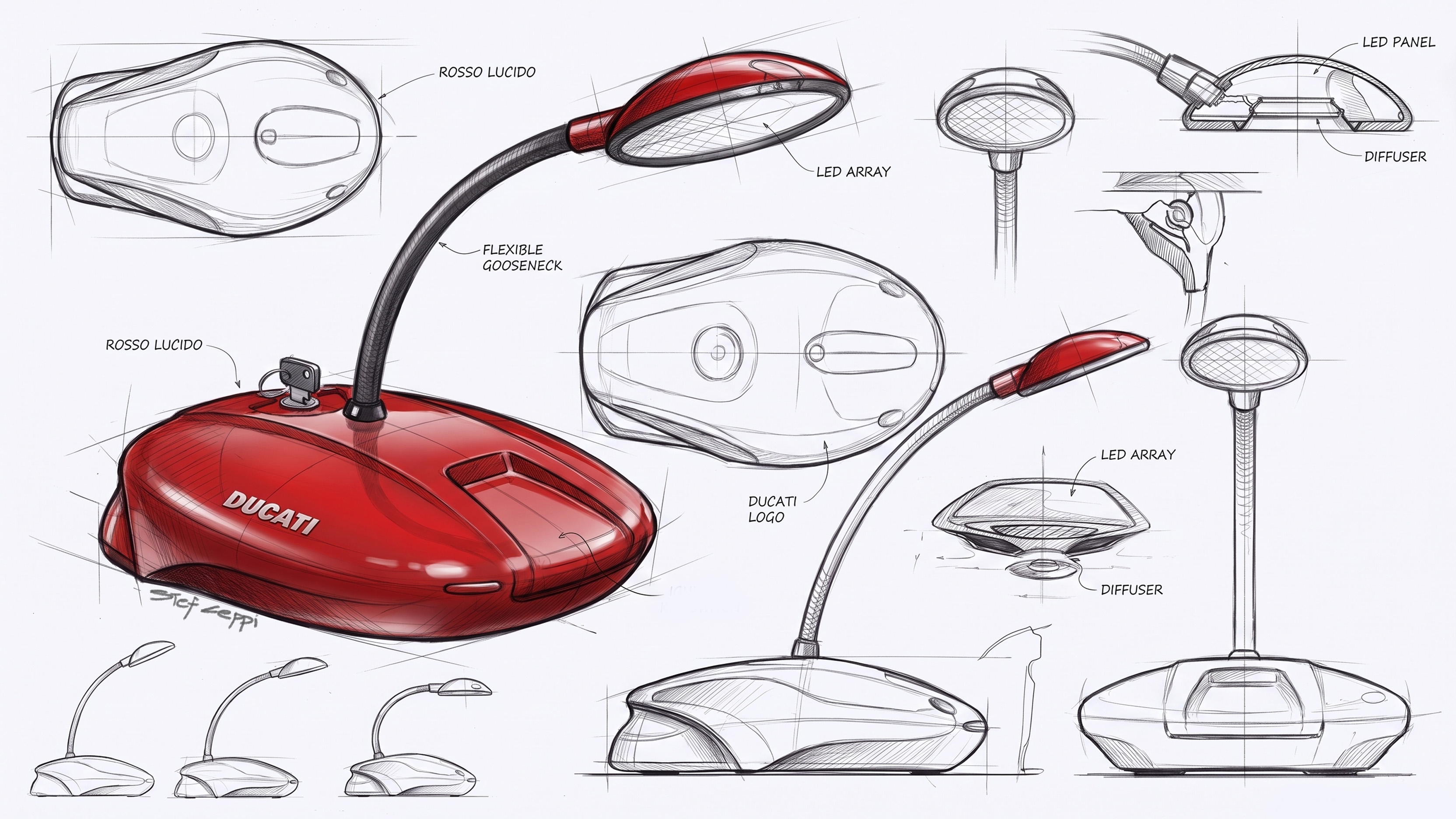
Early sketches explored how elements of Ducati’s visual language could be translated into a domestic object without simply reproducing motorcycle components. Proportion, tension, surfaces and mechanical details gradually established the identity of the lamp.
FROM CONCEPT
TO PRODUCT
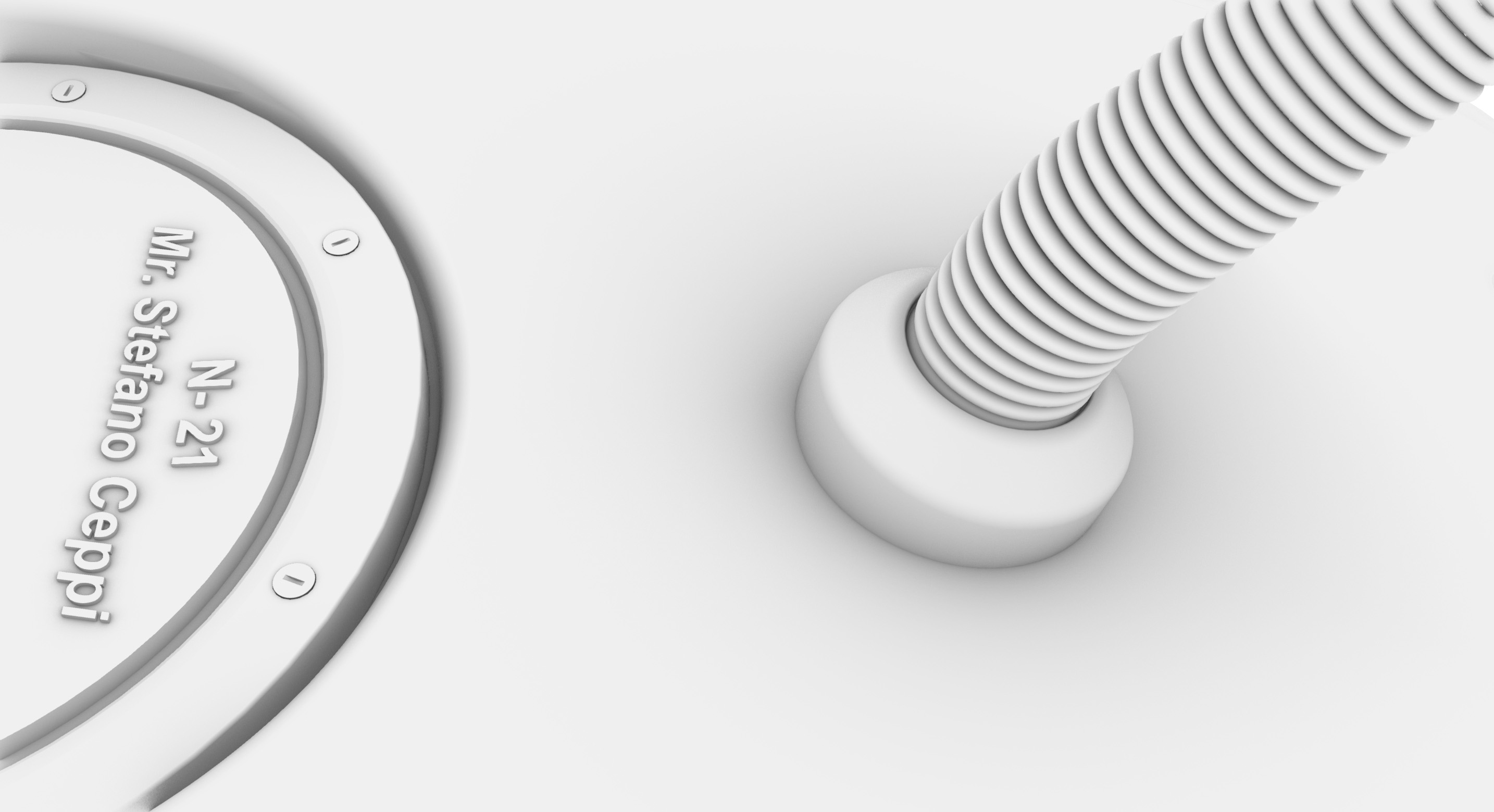
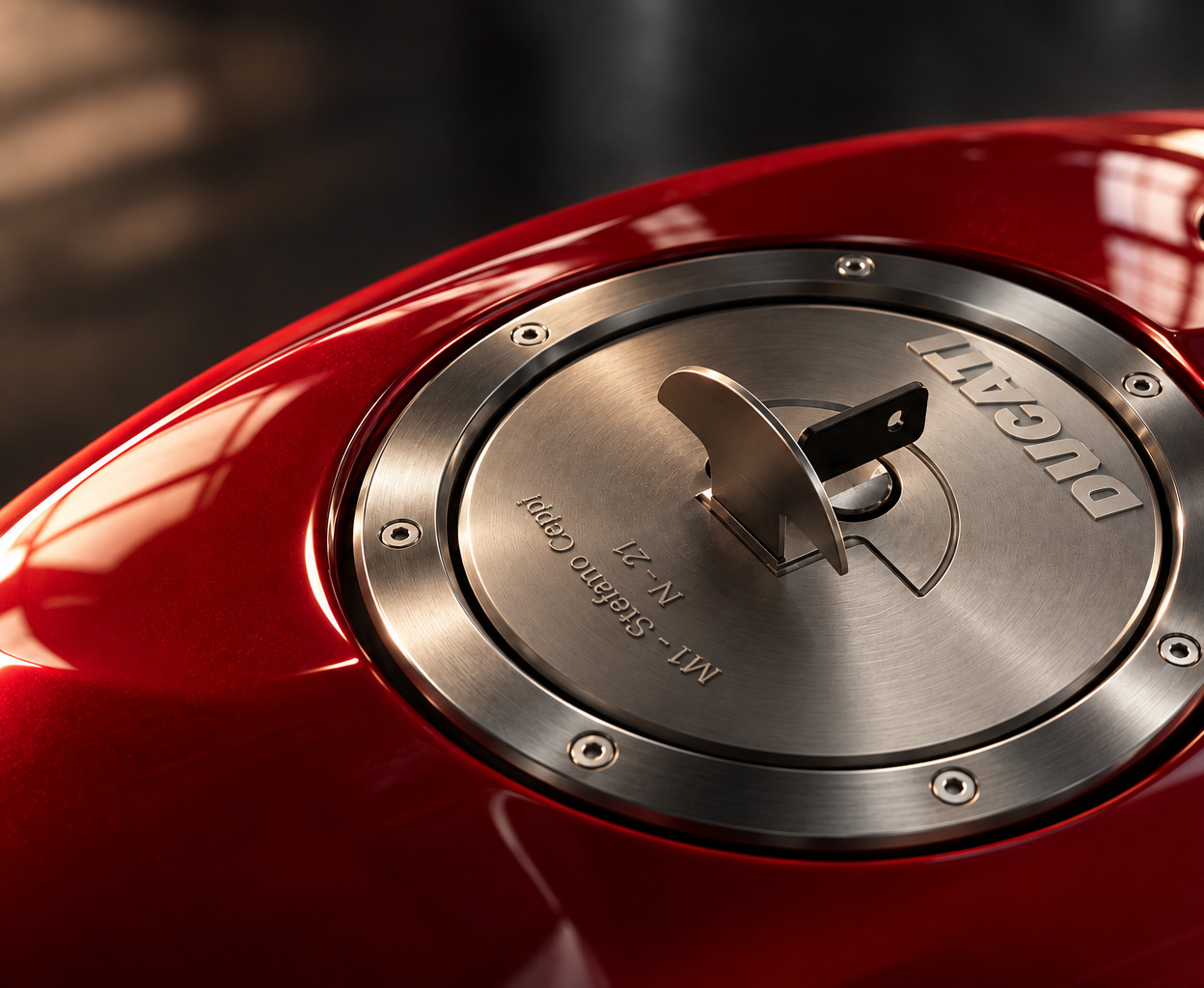
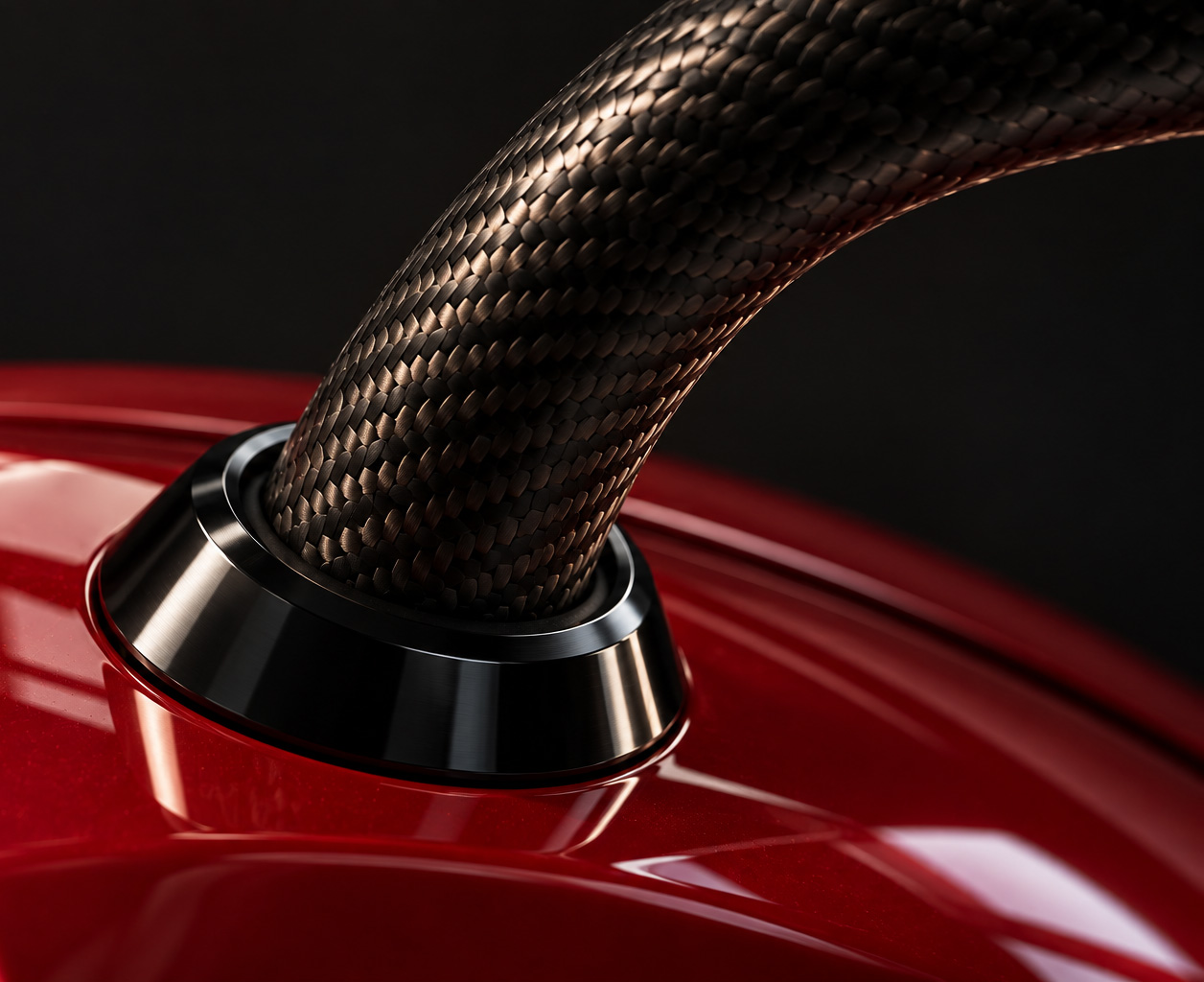
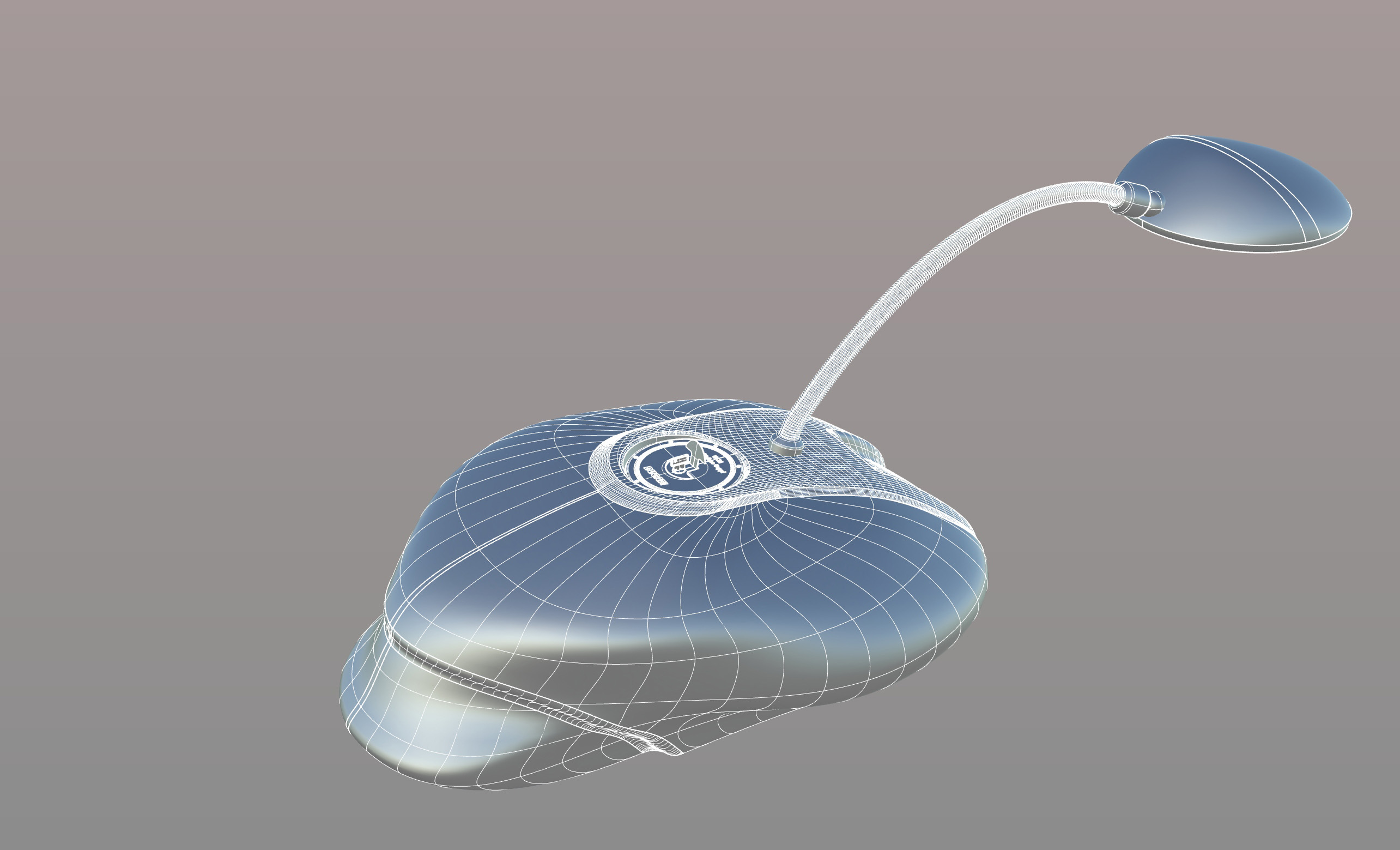
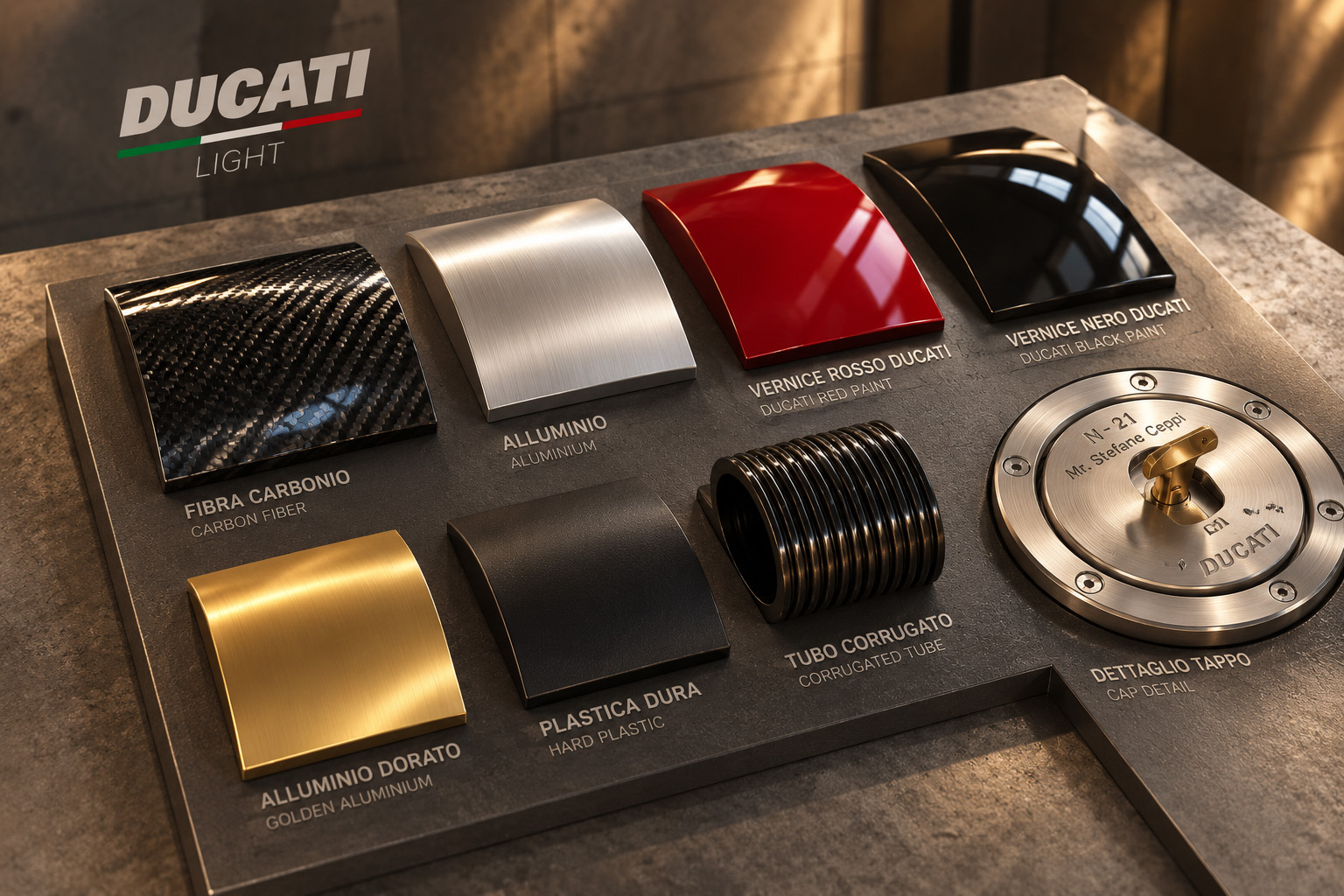
The concept evolved through form development, material studies and detailing, balancing automotive references with the requirements of a domestic product. Familiar Ducati cues were reinterpreted through materials, finishes, controls and functional components rather than applied as decoration.
THE RESULT
A DUCATI ICON
AT HOME
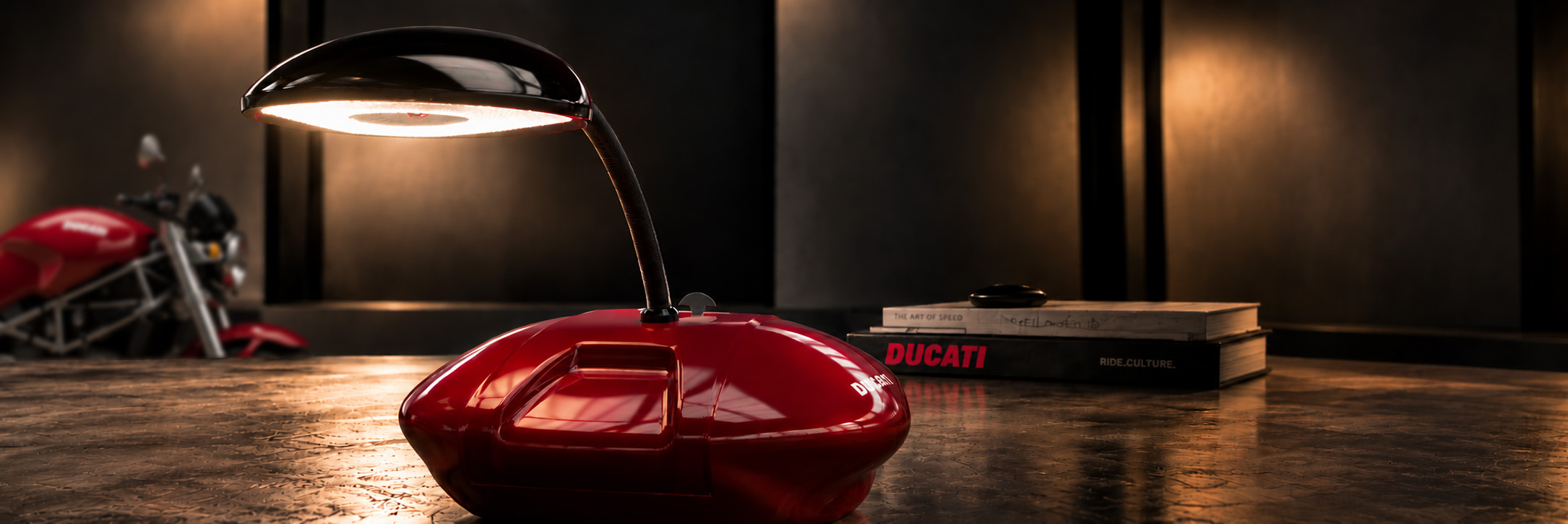
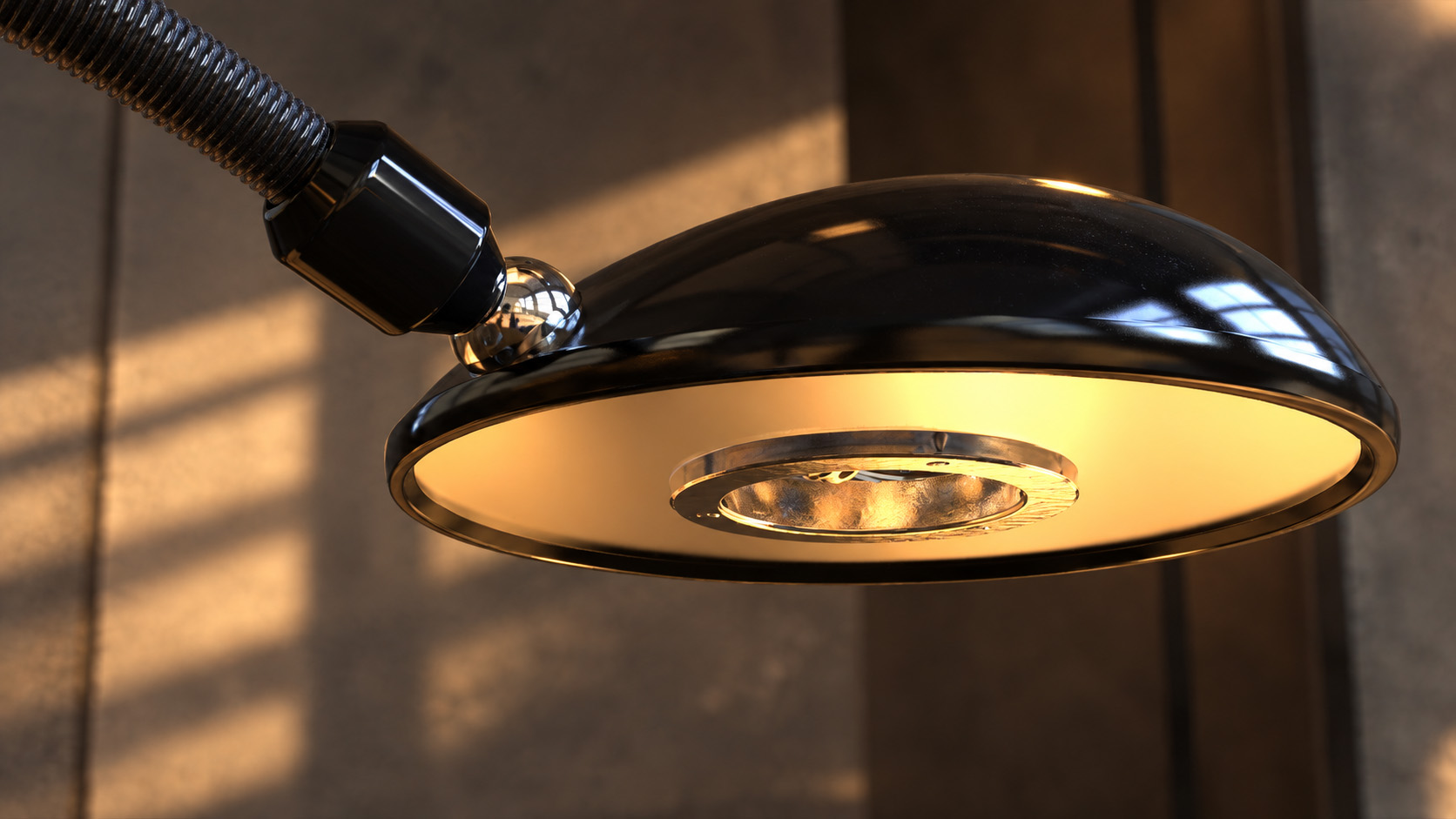
The final object combines the emotional character of Ducati with the familiarity of domestic lighting. It was conceived not as motorcycle memorabilia, but as a product capable of carrying the brand into a different environment and creating an emotional connection with people who might never approach Ducati through a motorcycle.
DETAILS
CRAFTED TO LAST
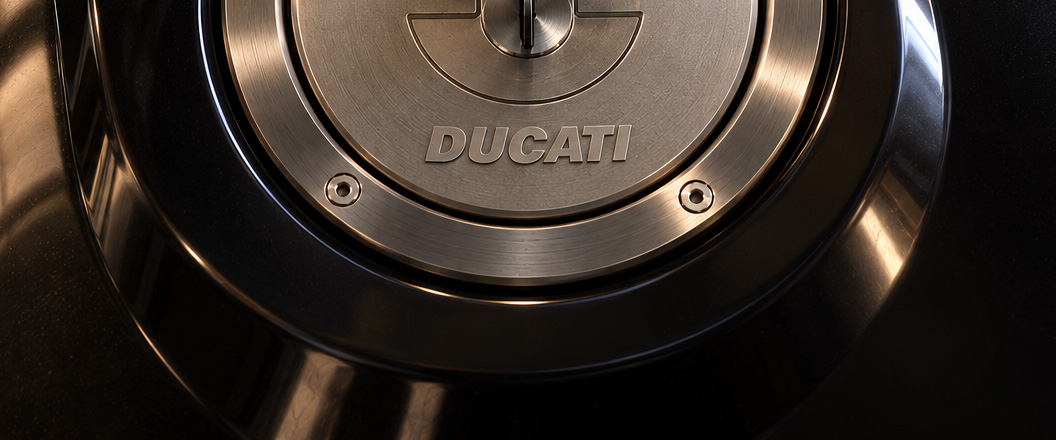
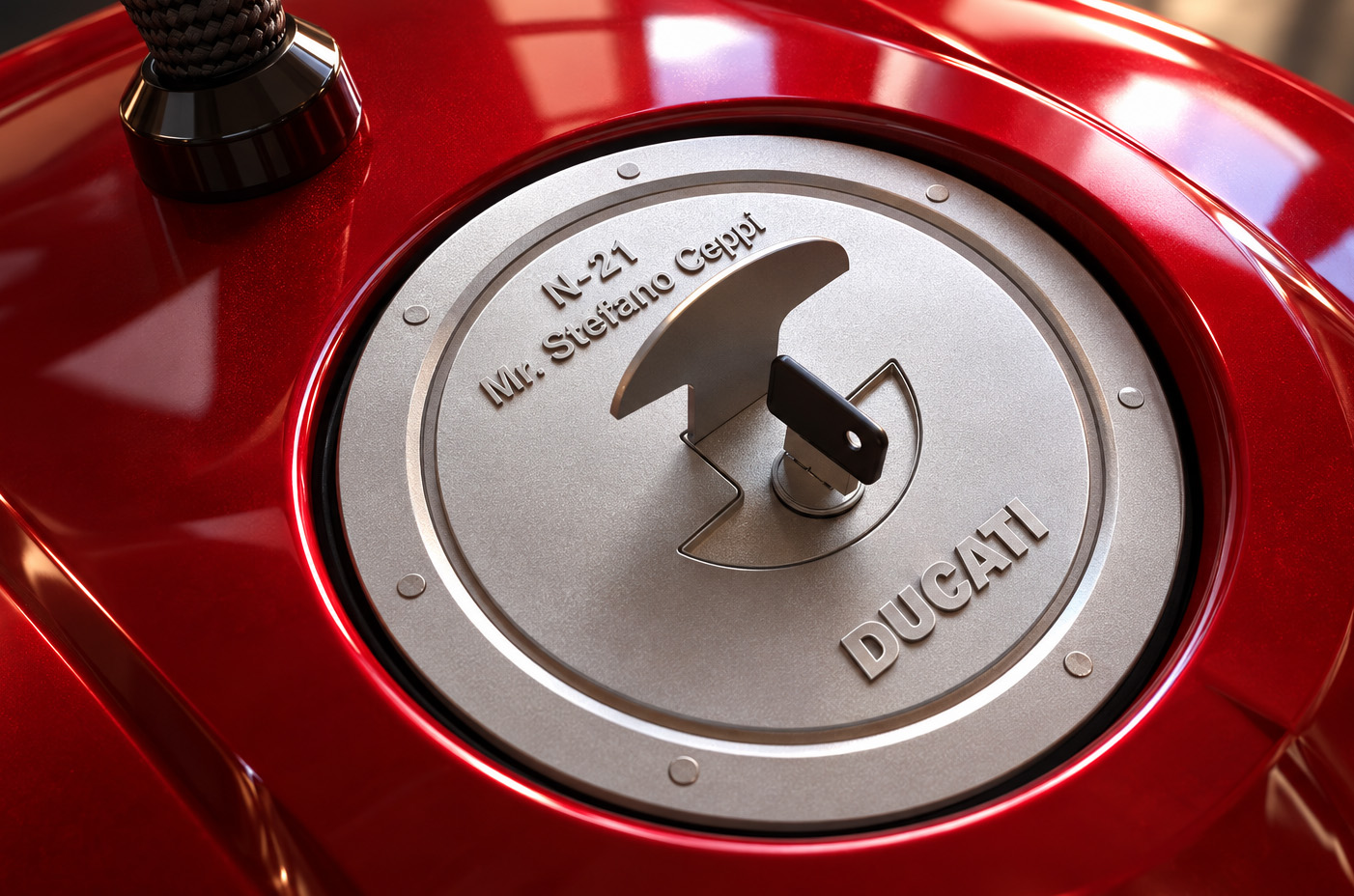
Technical materials and mechanical references become functional elements of the product. Carbon fibre, aluminium, Ducati finishes, the flexible arm and a fuel-cap-inspired control establish a direct but refined connection with the motorcycle world. The lamp was also conceived as a limited-edition object. Each piece would carry its progressive edition number and the owner’s name engraved on the fuel-cap-inspired control, making every lamp individually identifiable and personal.
OUTCOME
FROM CSM
TO BORGO PANIGALE
The project received a highly positive response from David Gross, then Creative Director at Ducati, who described it as “very notable work.”
Shortly after graduating, I was invited to Ducati headquarters in Borgo Panigale, Bologna, where I had the opportunity to present my work and meet Pierre Terblanche, Ducati’s Head of Design at the time.
That initial relationship subsequently led to further collaborations with David Gross on significant vehicle design projects.